
The $1 Fee You Didn’t Know Was Tracking You
For most drivers, a small increase in car insurance premiums is barely noticeable. In 2023, the Texas Legislature passed a law adding a $1 fee to auto insurance policies, a move that received unanimous support. The stated goal was noble: combat the rampant theft of catalytic converters that had plagued the state.
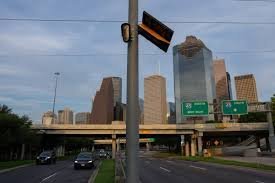
However, a deep dive into state spending reveals a surprising twist. Instead of just “boots on the ground,” a significant portion of these funds—at least $30 million—was funneled into the Flock surveillance network. This has resulted in the installation of thousands of AI-powered license plate readers (LPRs) across highways and city streets from El Paso to the Louisiana border.
What Exactly Are Flock Cameras?
Unlike traditional security cameras, Flock cameras use artificial intelligence to create what law enforcement calls a “vehicle fingerprint.” This system doesn’t just read a license plate; it captures the vehicle’s make, model, color, and even unique identifiers like bumper stickers or dents.
These fingerprints are stored in a massive database accessible to police departments nationwide, often without the need for a search warrant. While the technology is powerful, it has sparked a heated debate over the balance between public safety and individual liberty.
The Argument for Safety
Law enforcement agencies argue that these cameras are indispensable tools for modern policing. Proponents highlight several benefits:
- n
- Rapid Recovery: Thousands of catalytic converter theft cases have been cleared using LPR data.
- Missing Persons: The network has helped locate over 10,000 missing persons nationally.
- Crime Ring Busts: From tire theft rings to fugitive apprehension, the “pattern of life” assessments provided by AI help police track criminals with unprecedented efficiency.
The Privacy Backlash: A Constitutional Concern
Not everyone is convinced that the trade-off is worth it. Privacy advocates and several Texas lawmakers argue that this level of warrantless surveillance violates the Fourth Amendment, which protects citizens against unreasonable searches and seizures.
The concerns are not merely theoretical. Recent reports have uncovered alarming instances of misuse, including police officers using the surveillance network to stalk ex-partners and colleagues. These breaches of trust have led to indictments and disciplinary actions in various Texas counties, fueling the fire for those demanding stricter oversight.
Political Fallout and the Future of Auto Insurance Fees
The revelation that car insurance fees were being used to build a surveillance state has caught some legislators by surprise. Some have admitted they would never have voted for the bill had they known the funds would support AI license plate readers.
In response to the growing controversy, Governor Greg Abbott’s office recently announced a pause on state funding for local grants used for Flock cameras. However, the network continues to grow, with Texas estimated to have the second-highest number of these cameras in the United States, trailing only California.
Conclusion: Security or Surveillance?
The situation in Texas serves as a cautionary tale about transparency in government spending and the rapid deployment of AI in policing. While the efficiency of solving vehicle-related crimes is undeniable, the lack of clear guardrails raises a fundamental question: How much privacy are we willing to sacrifice for a sense of security?
As new legislation is proposed to require warrants for LPR data, Texans—and drivers nationwide—should stay informed about where their car insurance dollars are actually going.



