
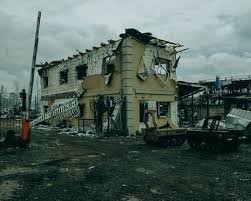
A Community in Ruins: The Aftermath of the Myla Strike
In the quiet village of Myla, located just 15 miles outside central Kyiv, the scent of sulfur still lingers in the air. What was once a peaceful residential area has been transformed into a landscape of devastation following a precision strike by a Russian jet-powered drone. The target? An ammunition warehouse tucked away amidst family gardens and homes.
The human cost has been staggering. The death toll has risen to 38, with several individuals still missing. Among the victims, 30 residents of a nearby care home perished, highlighting the catastrophic risk of placing high-risk military infrastructure in close proximity to vulnerable populations.
Personal Tragedies Amidst the Debris
For locals like 61-year-old Volodymyr, the attack was more than a headline; it was the destruction of his sanctuary. His family home now stands roofless, with shattered windows and a blackened garden. Despite the loss of electricity and water, Volodymyr’s resilience shines through, though his surroundings tell a story of horror:
- n
- Shattered Greenhouses: Once-vibrant vegetable patches are now crisp and blackened.
- Unexploded Ordnance: Residents have reported finding Grad rocket shells, mines, and cluster munitions strewn across private properties.
- Persistent Danger: Even after the initial strike, secondary explosions continue to echo through the woods.
The Controversy: Why a Warehouse in a Village?
While the Russian military launched the attack, the survivors are pointing a finger at those responsible for the warehouse location. Vira, a 65-year-old resident, expresses the collective anger of the community. “Those who set up the depot here are to blame,” she asserts, arguing that storing volatile munitions in a residential village is an unacceptable risk.
Many residents, including Vira’s son Serhii, were completely unaware that an ammunition dump existed in their backyard, with some believing the facility was merely storing humanitarian aid. This lack of transparency has left families facing costly cleanups and psychological trauma.
A Disturbing Pattern of Logistics Failures
The tragedy in Myla is not an isolated incident. It follows a worrying trend of Russian forces targeting poorly placed logistics hubs. A similar catastrophe occurred in Vyshneve, where a strike on a munitions store killed nine people and damaged 280 homes. In that instance, two individuals were detained for allowing weapons to be stored in an inappropriate location.
As the conflict continues, the tension between military necessity and civilian safety grows. According to reports from Reuters, the strategic placement of supply chains remains a critical vulnerability in modern warfare.
Conclusion: A Double-Edged Blame
For the people of Myla, the grief is compounded by a sense of betrayal. When asked who is responsible for the devastation, the answer is twofold: the aggressor who pulled the trigger and the administrators who placed a dangerous warehouse on their doorsteps. As Ukraine continues to fight for its sovereignty, the tragedy of Myla serves as a grim reminder that the placement of military assets can be just as lethal as the weapons they hold.



