
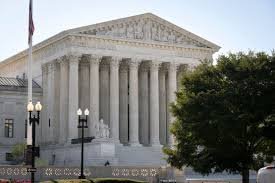
The Legal Battle: Trump Administration Takes Transgender Military Ban to the US Supreme Court
In a move that has reignited a fierce national debate over civil rights and national security, the administration of Donald Trump has formally requested that the US Supreme Court uphold a controversial policy prohibiting transgender individuals from serving in the United States Armed Forces. This latest legal maneuver marks one of the most significant cases involving transgender rights to reach the conservative-leaning court in recent years.
The Core of the Conflict: Military Readiness vs. Individual Rights
Shortly after taking office, Trump signed an executive order directing the Pentagon to bar transgender people from military service, arguing that their presence was incompatible with military requirements. This policy is now being appealed after a federal court in Washington ruled in favor of several transgender service members who were already serving.
D. John Sauer, the US Deputy Attorney General, emphasized the gravity of the situation during the appeal. According to documents reviewed by CNN, the administration argues that the military’s authority to determine who is fit for service is a matter of “exceptional importance.”
Who is Affected? The Impact on Service Members
The human cost of this legal tug-of-war is significant. According to Defense officials, there are approximately 4,240 members across the active duty, reserves, and National Guard with a diagnosis of gender dysphoria. It is important to note that while gender dysphoria—the psychological distress resulting from a mismatch between gender identity and birth sex—is a key clinical marker, not every transgender person experiences this condition.
A Pattern of Conservative Rulings
This case does not exist in a vacuum. The US Supreme Court has recently issued several rulings that have limited the rights of the transgender community, often with a 6-3 conservative majority:
- n
- Sports Participation: The court upheld state-level bans preventing transgender students from competing on female sports teams.
- Healthcare Access: A ruling confirmed a Tennessee law prohibiting puberty blockers and hormone therapy for minors seeking gender-affirming care.
The Counter-Argument: Bias or Necessity?
Legal advocates are pushing back hard against the administration’s narrative. Shannon Minter, Legal Director of the National LGBTQ Task Force, argues that the push to expel seasoned and decorated soldiers is rooted in prejudice rather than military necessity.
“There is no division between circuits, no emergency, and no foundation: only a policy that multiple courts have determined was driven by bias,” stated Minter.
What Happens Next?
The US Supreme Court is expected to decide this autumn whether it will hear the case. If the court agrees to take it up, a final ruling could be delivered by early next summer, potentially altering the landscape of the US Supreme Court’s jurisprudence on LGBTQ+ military service for years to come.



