
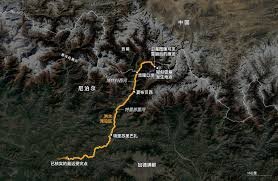
Tragedy in the Himalayas: Understanding the Devastating Tibet Mudslides
The serene landscapes of the Tibetan Plateau, often referred to as the “Roof of the World,” have recently been scarred by a series of catastrophic mudslides. These powerful torrents of debris, water, and rock have not only reshaped the geography of the region but have also left a trail of destruction in their wake, affecting thousands of residents and critical infrastructure.
What are the Tibet Mudslides?
Mudslides in Tibet are typically triggered by a combination of steep mountainous terrain, unstable soil, and intense precipitation. When heavy rains saturate the earth or when glacial lakes overflow, the gravity-defying slopes give way, sending a wall of sludge rushing down valleys at incredible speeds.
These events are often exacerbated by Glacial Lake Outburst Floods (GLOFs), where natural dams created by glaciers fail, releasing millions of cubic meters of water instantaneously into the valleys below.
The Role of Climate Change
While mudslides are natural geological occurrences, the frequency and intensity of these events in Tibet are closely linked to global warming. According to NASA’s climate research, the Himalayan region is warming faster than the global average.
- n
- Rapid Glacial Melting: Higher temperatures cause glaciers to retreat, creating unstable lakes.
- Erratic Weather Patterns: Unpredictable and extreme rainfall events saturate the soil more quickly than in previous decades.
- Permafrost Thawing: As the frozen ground thaws, the structural integrity of the mountainsides weakens, making them prone to collapse.
Impact on Local Communities and Infrastructure
The human cost of these disasters is profound. Many remote villages in Tibet rely on narrow valley roads for supplies and medical access. When a mudslide hits, these lifelines are severed, leaving communities isolated for days or weeks.
Beyond the immediate loss of life and property, these disasters cause long-term economic damage by destroying agricultural land and burying vital irrigation systems, threatening the food security of the region.
Prevention and Mitigation Strategies
To combat these recurring tragedies, experts suggest a multi-pronged approach to disaster risk reduction:
- Advanced Early Warning Systems: Implementing satellite monitoring and ground sensors to detect soil movement and water level rises.
- Reforestation: Planting native vegetation to stabilize slopes and reduce runoff.
- Sustainable Infrastructure: Building bridges and roads that are engineered to withstand debris flows.
For more information on how the world is fighting these environmental shifts, the United Nations Environment Programme (UNEP) provides comprehensive guides on climate adaptation in mountain ecosystems.
Final Thoughts
The mudslides in Tibet are a stark reminder of the fragility of our planet’s most extreme environments. As we witness the intersection of geology and climate change, the need for international cooperation in monitoring and mitigation becomes more urgent than ever. Protecting the Tibetan Plateau is not just about local safety; it is about preserving one of the most vital ecological hubs on Earth.



