
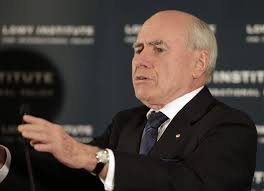
The Enduring Legacy of John Howard: Redefining Australian Governance
In the annals of global politics, few figures have left as indelible a mark on their nation as John Howard. As one of the longest-serving Prime Ministers of Australia, Howard’s tenure was characterized by a blend of economic pragmatism, social conservatism, and a steadfast approach to international relations.
Whether viewed as a transformative leader or a polarizing figure, there is no denying that his influence continues to shape the political landscape of the Asia-Pacific region today.
The Rise of a Political Strategist
John Howard’s ascent in politics was not an overnight success but the result of decades of strategic positioning and ideological consistency. His ability to navigate the complexities of the Liberal Party and the Coalition allowed him to lead the country through a period of significant transition.
His leadership style was marked by a commitment to small government and individual responsibility, principles that resonated with a large segment of the Australian electorate during the late 20th and early 21st centuries.
Key Pillars of the Howard Era
To understand the impact of John Howard, one must look at the core policies that defined his administration:
- Economic Reform: Howard is widely credited with overseeing a period of sustained economic growth, focusing on fiscal discipline and the introduction of the Goods and Services Tax (GST).
- Foreign Policy & Security: His tenure saw Australia strengthen its alliance with the United States, most notably during the geopolitical shifts following the events of September 11, 2001.
- Social Conservatism: Howard championed traditional family values, which often put him at the center of heated national debates regarding social progress and identity.
A Balanced Perspective: Successes and Controversies
No leadership of such duration is without its critics. While supporters point to the economic stability achieved under his watch, detractors often highlight his controversial stances on Indigenous rights and environmental policies.
However, the duality of his legacy is precisely what makes the study of his career so essential for students of political science and history. He mastered the art of the “political middle,” knowing exactly when to push for radical change and when to maintain the status quo to ensure stability.
Conclusion: Why John Howard Still Matters
Analyzing the career of John Howard provides valuable insights into how a leader can maintain power by aligning national identity with economic prosperity. His legacy serves as a blueprint for conservative governance in a modern democratic society.
As we look back at his contributions, it is clear that the modern Australian state—both in its economic strength and its strategic alliances—owes a significant part of its architecture to the vision of John Howard.



