Metro 2039: The Next Evolution of Survival in the Shadows
For fans of immersive storytelling and oppressive atmospheres, the Metro universe has always been a beacon of dark, gripping exploration. While we have journeyed through the tunnels of 2033 and ventured beyond the horizon in Exodus, the whispers of Metro 2039 have begun to circulate among the community. But what could a leap to 2039 actually mean for the survivors of the Moscow Metro?
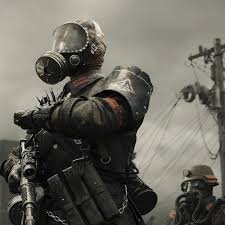
In a world where every bullet is a currency and every breath of fresh air is a luxury, the transition to 2039 suggests a shift in the geopolitical landscape of the underground. Whether as a theoretical sequel or a highly anticipated mod, the concept of Metro 2039 promises to push the boundaries of survival horror.
What Could Metro 2039 Bring to the Table?
If we analyze the trajectory of the series, Metro 2039 would likely move beyond simple survival and enter an era of reconstruction—or total collapse. Here are the most compelling possibilities for the gameplay and narrative:
- n
- Expanded Territory: Moving beyond Moscow to explore interconnected ruins of other Eastern European cities.
- Advanced Resource Management: A deeper economic system where trade between stations becomes a core mechanic for survival.
- Evolved Mutations: New, more intelligent predators that force players to rethink their stealth and combat strategies.
- Dynamic Faction Warfare: A more complex political system where player choices drastically alter the alliance between the Hansa and other underground regimes.
The Psychology of Fear in a Post-Nuclear World
The brilliance of the Metro series lies not just in its combat, but in its psychological weight. Metro 2039 has the potential to delve deeper into the trauma of a generation born entirely underground. Imagine a protagonist who has never seen the sun, fighting a war for a surface they don’t even believe in.
By utilizing modern gaming technology—such as advanced Ray Tracing and AI-driven NPC behaviors—the atmosphere of 2039 could be more claustrophobic and terrifying than ever before. The tension of a flickering flashlight in a pitch-black tunnel remains one of the most effective tools in survival horror gaming.
Why the Community is Buzzing About Metro 2039
The appetite for the Metro universe continues to grow because it mirrors real-world anxieties about isolation and societal collapse. The transition to a “2039” setting allows for a narrative bridge between the desperate survival of the early 2030s and a potential, albeit bleak, future.
Whether we are waiting for an official announcement from the developers or exploring community-driven projects, the spirit of Metro 2039 represents the enduring appeal of the post-apocalyptic genre: the hope that, even in the deepest dark, a light can still be found.
Final Thoughts: Will We Return to the Tunnels?
While official details remain scarce, the legacy of the series ensures that the world will always be ready for more. Metro 2039 isn’t just about a date on a calendar; it’s about the evolution of a story that defines what it means to be human when everything else is gone.
Are you ready to descend once again? Keep your mask tight and your weapon loaded.