
Mastering the Storm: How to Use a Hurricane Tracker to Stay Safe
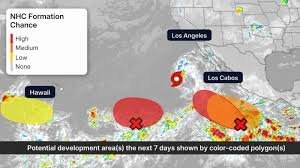
When hurricane season arrives, staying informed isn’t just about convenience—it’s about safety. Whether you are monitoring systems like Lala and Iselle or keeping an eye on emerging disturbances in the Atlantic and Pacific basins, utilizing a reliable hurricane tracker is your first line of defense.
But tracking a storm is more than just looking at a dot on a map. To truly understand where a storm is headed and how strong it might become, you need to understand the atmospheric forces at play. Here is everything you need to know to interpret hurricane data like a pro.
The Essentials of Tropical Storm Tracking
Most modern tracking tools provide a “cone of uncertainty.” This area represents the probable path of the storm’s center. It is important to remember that the danger exists outside the cone as well, especially regarding rainfall and wind gusts.
To get the most accurate real-time updates, we recommend following the National Hurricane Center (NHC), the gold standard for tropical weather forecasts.
What Stops a Hurricane? The ‘Storm Killers’
Not every tropical disturbance becomes a catastrophic hurricane. Meteorologists watch for specific environmental factors that can weaken or even dismantle a developing system:
- n
- Wind Shear: This is the difference in wind speed and direction at different altitudes. High wind shear acts as a “scissor,” ripping the structure of a developing cyclone apart and preventing it from maturing.
- Dry, Dusty Air: Plumes of dry air, often carrying dust from the Sahara Desert in Africa, are the nemesis of thunderstorms. Since hurricanes are built on moisture and convection, this dry air squelches development and kills the storm’s engine.
The Fuel: Sea Surface Temperatures
If wind shear is the enemy, warm water is the fuel. Hurricanes draw their energy from warm ocean waters. When sea surface temperatures rise, it provides more thermal energy, increasing the likelihood of rapid intensification. This is why tracking water temperature maps is a crucial part of any professional hurricane tracker strategy.
Measuring the Season: What is ACE?
You might hear meteorologists mention ACE (Accumulated Cyclone Energy). But what does that actually mean?
ACE is a specialized metric used to gauge the overall activity of a hurricane season. Unlike simply counting the number of storms, ACE accounts for both the intensity (wind speed) and the duration of the storms. A season with one massive, long-lasting hurricane can have a higher ACE than a season with ten small, short-lived tropical storms.
For deeper scientific insights into how climate change affects these patterns, you can explore the resources provided by NOAA (National Oceanic and Atmospheric Administration).
Quick Summary for Storm Safety
| Factor | Effect on Storm |
|---|---|
| Warm Water | Increases Strength (Fuel) |
| High Wind Shear | Weakens/Destroys Structure |
| Sahara Dust | Suppresses Development |
Stay vigilant, keep your emergency kits ready, and always rely on verified data from a professional hurricane tracker to keep your family safe.



