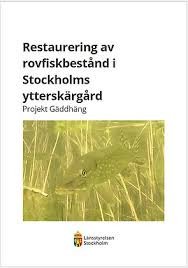
The Declining Pike Population in the Stockholm Archipelago: A Call to Action
For decades, the Stockholm Archipelago, a beautiful and ecologically significant region, has witnessed a concerning decline in its predatory fish populations, particularly pike. This trend is most pronounced in the outer archipelago, where the situation has become increasingly alarming. Without immediate and effective action, the delicate balance of this unique ecosystem is at serious risk.
The ‘Gäddhäng’ Project: Restoring Pike Populations
The Stockholm County Administrative Board (Länsstyrelsen Stockholm) initiated the ‘Gäddhäng’ (Pike Hangout) project in 2019, funded by the Swedish Postcode Lottery as part of the larger “Revitalize the Baltic Sea’s Vitality” project, coordinated by the World Wildlife Fund (WWF) from 2020-2024. This project aimed to gather crucial information and test restoration methods to address the dwindling pike population.
Key Objectives of the ‘Gäddhäng’ Project:
- Assess the Current State: Understand the extent of the pike decline and identify the contributing factors.
- Explore Restoration Techniques: Investigate and implement potential restoration measures to boost pike populations.
- Evaluate Ecosystem Impacts: Analyze the effects of restoration efforts on the broader archipelago ecosystem.
- Knowledge Compilation: Compile background information and knowledge gained from restoration attempts in the Stockholm outer archipelago.
The project recognizes that restoring pike populations isn’t just about a single species; it’s about the health of the entire Baltic Sea ecosystem. Pike play a crucial role as apex predators, regulating prey populations and maintaining biodiversity. Their decline has cascading effects throughout the food web.
Why is Pike Restoration So Important?
Pike are a keystone species in the Stockholm Archipelago. Their presence indicates a healthy and functioning ecosystem. A decline in pike numbers can lead to:
- Overpopulation of Prey Species: Without pike to control them, smaller fish populations can explode, leading to imbalances.
- Reduced Biodiversity: A less diverse ecosystem is more vulnerable to environmental changes.
- Impacts on Fisheries: The decline of pike can negatively affect recreational and commercial fisheries.
The Stockholm County Administrative Board is committed to finding sustainable solutions to restore the pike population and safeguard the future of the Stockholm Archipelago. Further research and collaborative efforts are essential to ensure the long-term health of this invaluable natural resource.
Contact Information:
Cecilia Skingsley
Regeringsgatan 66
Box 22067, 104 22 Stockholm
Phone: 010-2231000
Email: stockholm@lansstyrelsen.se
Source: Länsstyrelsen Stockholm