Yellow Air Quality Warning: How to Stay Safe from Wildfire Smoke in Moose Jaw
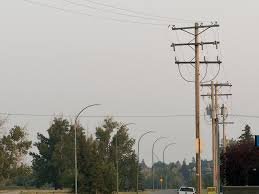
Moose Jaw Alert: Navigating the Yellow Air Quality Warning
Residents of Moose Jaw are currently facing a decline in air quality as wildfire smoke drifts into the region. In response, Environment Canada has issued a yellow warning – air quality alert, notifying the public that smoke is expected to cause poor air quality and significantly reduced visibility for the foreseeable future.
As smoke levels rise, so do the potential health risks. Understanding how to protect yourself and your loved ones is crucial during these environmental events.
Recognizing the Symptoms of Smoke Exposure
Wildfire smoke contains fine particulate matter that can irritate the respiratory system. It is important to monitor your health for the following symptoms:
- n
- Common Symptoms: Irritation of the eyes, nose, and throat, mild coughing, and headaches.
- Serious Symptoms: Wheezing, chest pain, or a severe, persistent cough.
Important: If you or a family member experience a medical emergency, please seek immediate medical attention.
Who is Most at Risk?
While poor air quality affects everyone, certain groups are more susceptible to the harmful effects of wildfire smoke. These include:
- n
- Adults aged 65 and older.
- Pregnant individuals.
- Infants and young children.
- People with pre-existing chronic health conditions (such as asthma or COPD).
- Outdoor workers who cannot avoid exposure.
Practical Tips to Protect Your Health
To minimize the impact of the current yellow warning – air quality, health officials recommend the following precautions:
1. Optimize Your Indoor Environment
Keeping your home as a sanctuary is the best defense. Keep windows and doors closed to prevent smoke from entering. However, if you are dealing with extreme heat, remember that staying cool should remain a priority to avoid heatstroke.
To further purify your indoor air, use the highest-quality air filter your HVAC system can support or invest in a certified portable air cleaner capable of filtering fine particles.
2. Safe Outdoor Practices
If you must go outside, a standard cloth mask is not enough. A well-constructed, properly fitted respirator—specifically a NIOSH-certified N95 or equivalent—can significantly reduce your exposure to fine smoke particles. For those in high-risk groups, it is strongly advised to reschedule strenuous outdoor sports and activities.
3. Community Support
Now is the time to look out for one another. Reach out to elderly neighbours, friends, or family members who may be more vulnerable to air quality issues to ensure they have the resources they need to stay safe.
For real-time updates and official alerts, you can visit the Environment Canada official website or check local health advisories from Health Canada.
Community Reminder: Household Hazardous Waste Day
While focusing on health safety, the City of Moose Jaw also reminds residents that the next Household Hazardous Waste Day is scheduled for August 29. Join the community at the City Complex (1010 High Street W) from 9 am to 3 pm to dispose of hazardous materials safely.
📰 You May Also Like