
The Erosion of Trust: Federal Judges Question DOJ Grand Jury Tactics
In a troubling trend across the United States, federal judges are increasingly questioning the ethics and procedures of the Department of Justice (DOJ) during grand jury proceedings. What was once a process granted significant deference is now under a microscope, as judges express skepticism about whether federal prosecutors are behaving ethically behind closed doors.
From high-profile media personalities to political figures, a series of legal battles is highlighting a perceived abandonment of standard practices by the DOJ, leading to dismissed charges and stern judicial admonishments.
The Don Lemon Case: A Catalyst for Inquiry
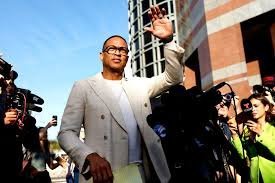
One of the most current examples is unfolding in Minnesota. Federal Judge Laura Provinzino is currently probing whether the Justice Department’s case against journalist Don Lemon should be tossed. In an extraordinary move, Judge Provinzino has demanded a wide array of grand jury materials, including:
- n
- Presentations made by prosecutors and case agents.
- The totality of communications between prosecutors and grand jurors.
- Legal instructions, witness testimony, and closing arguments.
Lemon’s legal team argues there is “substantial evidence of irregularities,” noting that other judges had previously found no probable cause to charge him and his co-defendant, Georgia Fort. While grand jury secrecy is usually strictly guarded, the court is weighing that necessity against the potential for prosecutorial misconduct.
A Pattern of Missteps Across the Country
The issues in Minnesota are not isolated. Federal courts in Wyoming, Illinois, and Virginia have all signaled a decline in trust toward federal prosecutors.
The Chicago Scandal and ‘Vouching’
In Chicago, Judge April Perry uncovered inappropriate actions in a case involving protestors at an ICE detention facility. The review revealed that prosecutors engaged in “vouching”—a forbidden practice where a prosecutor uses their own reputation to influence a grand jury rather than relying solely on the evidence. This discovery led the US Attorney to drop multiple cases and launch a historical review of over 100 transcripts.
The Wyoming Dismissals
Similarly, in Wyoming, a panel of judges dismissed felony indictments after finding that the acting US Attorney referred to defendants as “bad guys” and “murderers” and even handed out business cards to jurors outside the official proceedings.
High-Stakes Politics: The James Comey Proceedings
The controversy extends to some of the most politically charged figures in the US. Former FBI Director James Comey has seen his cases marred by “profound investigative missteps.” In Virginia, a judge found that the interim US Attorney may have incorrectly presented the law to the grand jury, undermining the integrity of the entire proceeding.
Comey’s defense continues to fight for access to transcripts in newer cases, arguing that irregular procedures create a significant risk that the government misrepresented key facts to the jury.
Is the DOJ’s Credibility Permanently Damaged?
Legal experts suggest that the Department of Justice’s reputation has been severely injured. Mark Wolf, a former federal prosecutor, warns that when the DOJ is perceived as using the law for partisan purposes, it sends a dangerous message: anybody is vulnerable.
To combat this, some legal professionals are calling for a more engaged judiciary, where judges routinely oversee grand jury proceedings to ensure transparency and fairness. For more information on the legal standards governing these processes, you can visit the Official Department of Justice website or review the Americans with Disabilities Act (ADA) and civil rights frameworks that often intersect with these federal charges.
Conclusion: The Push for Reform
While the DOJ maintains that it provides rigorous ethics training and that “nobody is above the law,” the mounting evidence of procedural failures suggests a need for systemic reform. As more defense attorneys file motions to review transcripts, the veil of secrecy surrounding the grand jury may begin to lift, ensuring that justice is served based on evidence, not influence.



