
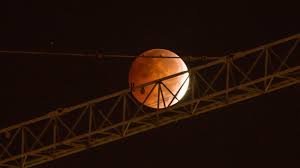
Lunar Eclipses: Unveiling the Secrets of the Blood Moon
There is something profoundly humbling about looking up at the night sky and witnessing a lunar eclipse. It is one of nature’s most captivating celestial performances, turning the familiar silver glow of the moon into a deep, mysterious crimson. But what exactly is happening during this phenomenon, and why does the moon change colour?
What Exactly is a Lunar Eclipse?
A lunar eclipse occurs when the Earth moves directly between the Sun and the Moon, blocking the sunlight that normally reflects off the lunar surface. This alignment can only happen during a full moon, when the Earth’s shadow is cast across the moon’s disc.
Unlike solar eclipses, which require special eyewear for safety, lunar eclipses are completely safe to view with the naked eye. Whether you are in the heart of Toronto or the quiet landscapes of the Yukon, you can enjoy the show without any equipment.
The Three Types of Lunar Eclipses
Not all eclipses are created equal. Depending on the alignment, you might experience one of these three types:
- Total Lunar Eclipse: This is the most dramatic version. The moon passes entirely into the Earth’s dark central shadow (the umbra), often resulting in the famous “Blood Moon.”
- Partial Lunar Eclipse: Only a portion of the moon enters the umbra, making it look as if a giant bite has been taken out of the lunar surface.
- Penumbral Lunar Eclipse: The moon passes through the Earth’s outer shadow (the penumbra). These are subtle and often difficult to notice without a telescope.
Why the “Blood Moon” Turns Red
The most striking feature of a total lunar eclipse is the reddish hue. This isn’t caused by the moon itself, but by the Earth’s atmosphere. As sunlight passes through our atmosphere, shorter blue wavelengths are scattered, while longer red wavelengths are bent (refracted) inward toward the moon.
Essentially, a Blood Moon is the projection of every sunrise and sunset on Earth happening simultaneously onto the lunar surface. For more detailed scientific explanations on this phenomenon, you can explore the resources provided by NASA’s Moon portal.
Pro Tips for Stargazing in Canada
To make the most of the next lunar eclipse, follow these simple tips to ensure a breathtaking experience:
- Find a Dark Spot: While you can see an eclipse from a city, moving away from light pollution significantly enhances the contrast and colours.
- Check the Timing: Use reliable tools like Time and Date to find the exact start and peak times for your specific Canadian province.
- Dress for the Weather: Canadian nights can be chilly, even in summer. Layer up so you can stay outside for the duration of the event.
- Use Binoculars: While not necessary, a pair of binoculars can help you see the craters and the gradual shift in colour more clearly.
Conclusion
Lunar eclipses remind us of our place in a vast, clockwork universe. They are a perfect opportunity to step away from the screens, gather your friends and family, and reconnect with the wonders of the cosmos. Keep your eyes on the sky—the next celestial masterpiece is just an alignment away!



