The Legend and the Rift: Brian Urlacher Speaks Out
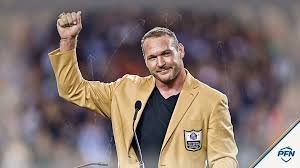
For thirteen seasons, Brian Urlacher was the heartbeat of the Chicago Bears. A Hall of Fame linebacker known for his dominance on the field, Urlacher’s legacy is undisputed. However, off the field, a public fracture developed between the athlete and the franchise he spent his entire career representing.
In a recent appearance on The Sage Steele Show, Urlacher finally opened up about the social media controversy that sparked a rift with the organization, offering his perspective on a situation that remains a point of contention for many NFL fans.
The Spark: A Controversial Social Media Post
The tension began in August 2020, during a period of intense social unrest following the police shooting of Jacob Blake in Kenosha, Wisconsin. As NBA players boycotted playoff games to protest systemic injustice, Urlacher shared an Instagram story that drew immediate backlash.
Urlacher compared the NBA’s boycott to a legendary moment in NFL history: Brett Favre playing a game in 2003 just one day after his father’s passing. For Urlacher, the comparison was about resilience and the duty to play; for others, it was an insensitive dismissal of social justice movements.
The Fallout: A Franchise Distances Itself
The reaction from the Chicago Bears was swift and severe. The organization issued a public statement distancing itself from Urlacher, claiming his views did not align with the franchise’s core values. This move was unexpected for many, given Urlacher’s status as a franchise icon.
- n
- George McCaskey: The team chairman initially hoped the account had been hacked before confirming the posts were indeed from Urlacher.
- Matt Forte: The former Bears running back publicly criticized his teammate, stating that the post lacked empathy, compassion, and wisdom, suggesting that privilege had clouded Urlacher’s judgment.
Urlacher’s Defense: Policing vs. Race
During his interview with Sage Steele, Urlacher maintained that his comments were completely misunderstood. He insists that his stance had nothing to do with race and everything to do with his support for law enforcement.
“I had said something about the guy in Wisconsin who pulled a knife on the cops and ended up getting shot,” Urlacher explained. “Nothing I said had to do with race. Everything to do with what policing and what I thought was the right thing.”
Urlacher expressed surprise at the intensity of the backlash, noting that he felt he was simply advocating for the right of police officers to perform their duties. He also touched upon his beliefs regarding the national anthem, stating that he believes in standing and admitting he was “lucky” not to have played during the height of the kneeling protests, as it would have been a difficult personal conflict for him.
A Legacy Under Scrutiny
While his athletic achievements are immortalized in the Pro Football Hall of Fame, this public divide serves as a reminder of how complex the intersection of sports, politics, and personal belief can be in the modern era.
Years later, Brian Urlacher continues to stand by his convictions, hoping that the narrative shifts from one of controversy to one of misunderstood principles. Whether the bridge between Urlacher and the Bears can be fully repaired remains to be seen, but the conversation highlights the ongoing tension between athlete expression and organizational branding in the NFL.