Is the Sun Getting Stronger? The Alarming Rise of UV Radiation in Europe
For many of us, a sunny day is a welcome sight. However, recent scientific data suggests that the solar radiation reaching the European continent is increasing at a rate that demands our attention. A comprehensive study published in the specialized journal “Photochemical & Photobiological Sciences” has revealed a significant upward trend in UV exposure across various regions of Europe.
The Data: A Decade of Increasing Intensity
Between 2013 and 2022, researchers observed a steady climb in UV levels. According to the analysis led by Alois Schmalwieser from the University of Veterinary Medicine in Vienna (Vetmeduni), UV radiation grew by an average of 1.2% per year across 26 of the 40 monitoring stations analyzed.
The impact varies by geography, but the trend is widespread:
- n
- Austria: In Dornbirn, the increase was particularly sharp during May and June, reaching an annual growth of 1.28%.
- Vienna: The city saw a significant spike in June, with an overall annual increase of 0.64%.
- Continental Reach: The surge extends from Greece to central Scandinavia, and from the British Isles in the west to Poland and Slovakia in the east.
Why is this Happening?
The amount of sun exposure we experience on the ground isn’t just about the sun’s position in the sky. It is a complex interplay of atmospheric factors. Researchers point to several key drivers for this increase:
- Reduced Cloud Cover: As climates warm, changes in weather patterns have led to fewer clouds, allowing more UV rays to penetrate the atmosphere.
- Ozone Layer Thickness: Variations in the ozone layer directly affect how much harmful radiation is filtered out.
- Aerosols: The presence of suspended particles in the air can either scatter or absorb radiation.
- Surface Reflection: Snow and water surfaces can reflect UV rays, intensifying the dose received by humans and animals.
Health Risks and Environmental Consequences
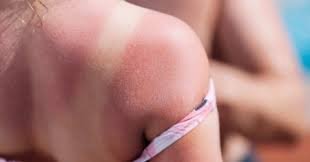
This isn’t just a matter of getting a tan. The increase in “erythemal” UV radiation—the type responsible for skin reddening and burns—poses serious long-term risks. According to the World Health Organization (WHO), prolonged exposure to high levels of UV radiation is a primary risk factor for skin cancers and cataracts.
Beyond human health, the environment is also under pressure. Increased solar radiation can disrupt:
- Terrestrial Ecosystems: Altering the balance of plant growth.
- Aquatic Life: Affecting the health of organisms in the upper layers of water bodies.
- Agricultural Productivity: Potentially disrupting photosynthesis and reducing crop yields.
Conclusion: The Need for Vigilance
The findings by Schmalwieser’s team suggest that the increase in UV radiation is not a localized phenomenon but a broad regional shift that gained momentum around 2010-2013. As we face a warming climate and shifting weather patterns, prioritizing skin protection and environmental monitoring has never been more critical.
Stay protected: Use broad-spectrum sunscreen, wear protective clothing, and stay informed about the daily UV index to mitigate the risks associated with rising solar intensity.