
Iran and the US: A Fragile Path to Peace Amidst Rising Tensions
The geopolitical landscape of the Middle East remains on a knife-edge as Iran and the United States struggle to find common ground. At the heart of the current tension is a Memorandum of Understanding (MoU) signed by U.S. President Donald Trump in June, which aimed to end the conflict and settle the long-standing dispute over Iran’s nuclear program within a strict 60-day window.
Despite the ambition of the agreement, that deadline has passed, leaving both nations in a stalemate. The most critical point of contention? The reopening of the Strait of Hormuz, a vital artery for global shipping and energy security.
The Economic Gamble: Pezeshkian’s Vision
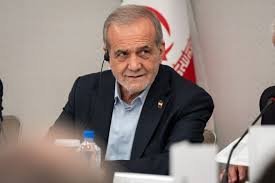
Iranian President Masoud Pezeshkian has stepped forward to defend the MoU, describing it as the most viable exit strategy from a state of “neither war nor peace.” In a recent address, Pezeshkian emphasized that the agreement does not constitute a surrender, but rather a strategic move aligned with the policies of the Supreme Leader.
For Pezeshkian, the stakes are not just political but economic. He has explicitly linked the success of the agreement to Iran’s economic prospects, noting that:
- n
- International investment remains stalled due to current tensions.
- The economy is suffering heavily under stringent sanctions.
- A naval blockade continues to hamper trade and growth.
Hardliners and the Threat of “Seismic” Retaliation
While the presidency seeks a diplomatic opening, the military and security apparatus in Tehran suggests a different tone. Mohsen Rezaei, the newly appointed head of the Supreme National Security Council, has issued a stern warning to neighboring countries. Rezaei cautioned against supporting U.S. efforts to further cripple Iran’s economy.
In a bold statement, Rezaei warned that if the U.S. persists in its economic warfare, Iran would retaliate in a “seismic manner,” specifically targeting oil-shipping routes in the Persian Gulf as alternatives to the Strait of Hormuz. This hardline shift indicates a duality in Tehran’s current strategy: diplomacy on the surface, but readiness for escalation below.
Regional Diplomacy and Internal Unrest
Amidst the threats, there are flickers of diplomatic effort. Pakistan’s Army Chief, Field Marshal Asim Munir, is scheduled to visit Tehran in an attempt to de-escalate tensions and urge both Washington and Tehran to return to the negotiating table. This move highlights the critical role regional powers play in preventing a full-scale regional war.
Internally, Iran continues to face turmoil. The judiciary recently reported the execution of Majid Adineh, who was convicted of espionage and cooperation with hostile states, including the U.S. and Israel, following government-opposed protests.
The Wider Middle East Crisis: Gaza and the West Bank
The volatility in Iran is mirrored by the ongoing tragedy in the occupied Palestinian territories. Recent reports indicate a surge in violence:
Violence in the West Bank
Tensions have spiked with reports of Israeli settlers assaulting Palestinians. In one harrowing incident, a 61-year-old Palestinian man was beaten with a pipe outside his home, highlighting the ongoing struggle for land and safety in the region.
The Toll in Gaza
The humanitarian crisis in Gaza continues to deepen. Recent Israeli airstrikes have resulted in further civilian casualties, including children. According to World Health Organization standards and local health ministries, the death toll in Gaza has surpassed 73,400 Palestinians, as the region remains caught in a cycle of airstrikes and militant responses.
Conclusion: A World Watching
As Iran navigates the narrow corridor between economic collapse and military confrontation, the world watches closely. Whether the MoU serves as a bridge to peace or a mere pause in hostilities depends on the willingness of both the U.S. and Iran to compromise on the Strait of Hormuz and nuclear ambitions.



