
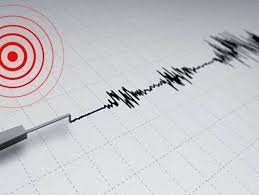
Understanding Earthquakes: A Comprehensive Guide to Safety and Preparedness
Earthquakes are one of the most powerful and unpredictable natural phenomena on Earth. Whether you live in a high-risk seismic zone or a relatively quiet area, understanding the science behind earthquakes and knowing how to react can make a life-saving difference.
What Exactly is an Earthquake?
At its core, an earthquake is the shaking of the surface of the Earth resulting from a sudden release of energy in the Earth’s lithosphere that creates seismic waves. This usually happens when tectonic plates—massive slabs of rock that make up the Earth’s outer shell—slip past each other or collide.
According to the United States Geological Survey (USGS), most earthquakes occur along fault lines, where the tension builds up over years until the rock finally snaps, releasing energy in the form of tremors.
How to Prepare Before the Shaking Starts
Preparation is the key to reducing panic and preventing injuries. Here are the most effective steps you can take to secure your home and family:
- n
- Secure Heavy Furniture: Bolt tall bookshelves, cabinets, and wardrobes to the walls to prevent them from tipping over.
- Create an Emergency Kit: Ensure you have a bag containing water, non-perishable food, a flashlight, batteries, a first-aid kit, and essential medications.
- Establish a Communication Plan: Decide on a meeting point for your family and ensure everyone knows how to contact each other if cellular networks fail.
- Identify Safe Spots: Locate sturdy tables or interior walls in every room of your house.
What to Do During an Earthquake
When the ground starts to shake, your immediate reaction is critical. The gold standard for safety is the “Drop, Cover, and Hold On” maneuver:
- DROP down onto your hands and knees. This position protects you from being knocked over.
- COVER your head and neck with your arms. If a sturdy table or desk is nearby, crawl underneath it for shelter.
- HOLD ON to your shelter until the shaking stops.
Special Scenarios:
- If you are outdoors: Move away from buildings, streetlights, and utility wires.
- If you are in a vehicle: Pull over to a clear location, stop, and stay inside the car.
- If you are in bed: Stay there and cover your head with a pillow.
Post-Earthquake Safety and Recovery
The danger doesn’t always end when the shaking stops. Be mindful of aftershocks, which are smaller earthquakes that follow the main shock and can cause further damage to already weakened structures.
For official guidelines on recovery and emergency assistance, visiting the Ready.gov website can provide you with localized and updated safety protocols.
Final Thoughts
While we cannot prevent earthquakes, we can certainly mitigate their impact. By staying informed and prepared, you transform fear into action, ensuring a safer environment for yourself and your community. Remember: preparedness saves lives.



