
Is Fall Actually Arriving? Decoding the Autumn Weather Outlook
For many of us, the transition from a scorching summer to the season of pumpkin spice and falling leaves is the most anticipated time of the year. We often look to traditional guides like the Old Farmer’s Almanac to predict the coming months, but this year, the science points to a very specific driver: a strengthening El Niño.While we are all longing for those mercifully cooler temperatures, federal forecasts and meteorologists suggest that summer might be overstaying its welcome. If you’re planning your autumn wardrobe or preparing your garden, here is everything you need to know about the upcoming season.
The Heat Wave Continues: Above-Average Temperatures
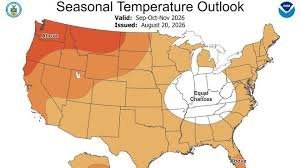
According to the National Oceanic and Atmospheric Administration (NOAA), the temperature outlook for September through November favors above-normal temperatures across a vast majority of the United States. From Alaska to Florida, and from the Great Lakes to the mid-Atlantic, the warmth is expected to persist.
Meteorologist Brian Lada from AccuWeather notes that September may feel like a “summer extension,” particularly in the southeastern U.S., where high humidity and warm nights will likely keep the autumn chill at bay.
The El Niño Factor: The Great Weather Driver
Why is this happening? The primary culprit is El Niño. This climate pattern is expected to be the dominant force driving weather features across the nation this fall and winter. Because the signal is so strong, meteorologists have high confidence in these predictions.
Here is how El Niño is expected to impact different regions:
- n
- The Southern Tier: Expected to see much-needed rain relief, potentially easing drought conditions.
- The Southwest: Likely to be wetter than average, providing a glimmer of hope for the historic lows of Lake Mead and Lake Powell.
- The Northwest and Northeast: These areas may face drier-than-average conditions, which could lead to increased fire risks as leaves fall.
When Does Fall Actually Start?
It’s easy to get confused by the calendar, as fall technically has two different start dates:
- Meteorological Fall: Begins on September 1st, based on the annual temperature cycle.
- Astronomical Fall: Begins at the autumnal equinox, which occurs on September 22nd at 8:05 p.m. ET.
Snow, Frost, and Fire Risks
Despite the overall warmth, don’t put away your coats entirely. Cold snaps are still possible. However, the first snowflakes will likely be limited to the high elevations of the Rockies in Montana, Idaho, and Wyoming during late September and early October.
More populated areas can expect snow to arrive later, likely in November, with Colorado, Utah, and New Mexico being the first to see significant early-season events. On the flip side, the lack of rain in the Northwest may keep wildfires burning well into early September, while the dry air in the Great Lakes region could spark mid-season fire risks.
Final Thoughts for the Season
While we might be dreaming of a crisp, chilly October, the data suggests a milder, more humid transition. Whether you follow the wisdom of the Old Farmer’s Almanac or the precision of NOAA, one thing is certain: this fall will be a season of change, driven by the powerful currents of El Niño.



