
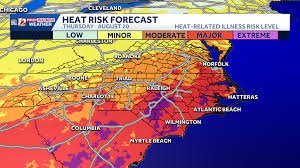
The Heat is On: Navigating the 2026 Summer Surge in Charlotte
When we talk about Charlotte weather during the summer, the conversation inevitably turns to the heat. Unfortunately, heat is the leading weather-related killer in the United States, making it crucial for residents to stay informed and prepared. This summer of 2026 has already seen a relentless series of heat waves, with August proving particularly brutal.
Recently, the region experienced a staggering two-week streak of days where maximum temperatures hit 90°F or higher. With 48 days of 90-degree weather already recorded this year—far exceeding the typical 33-day average—it is clear that we are dealing with a shifted climate pattern that requires a proactive approach to safety.
Essential Tools: The Extreme Heat Dashboard
To combat these rising temperatures, the North Carolina State Climate Office has launched a vital resource: the Extreme Heat Dashboard. This tool is designed to help residents understand the impact of heat on local health and climate changes.
One of the most critical features available is the North Carolina Heat Health Alert System. By signing up for these alerts, you can receive early warnings before the next heat wave hits, allowing you to plan your outdoor activities and protect vulnerable family members.
Heat Index vs. WBGT: Which One Should You Trust?
You’ve likely heard weather forecasters discuss the “Heat Index” on TV, but if you are working outdoors or coaching a sports team, that number might not tell the whole story. Here is the breakdown of the two most common measurements:
- n
- Heat Index: This measures what the temperature feels like in the shade, combining air temperature and relative humidity.
- Wet-Bulb Globe Temperature (WBGT): This is a more comprehensive measurement used by professional coaches and jobsite managers. It accounts for temperature, humidity, wind speed, and solar radiation (direct sunlight).
Because the WBGT accounts for the sun’s intensity, it is a far more accurate guide for anyone exerting themselves outdoors. It helps determine when the body’s biological ability to sweat and cool down becomes impaired, significantly reducing the risk of heat-related illnesses.
Quick Tips to Beat the Charlotte Heat
While the National Weather Service provides broad alerts, taking personal precautions is key. Follow these guidelines during peak heat:
- n
- Hydrate Constantly: Don’t wait until you’re thirsty to drink water.
- Seek Shade: Limit direct sun exposure during the hours of 10 AM to 4 PM.
- Monitor the Dashboard: Keep an eye on the NC State Climate Office for localized risk maps.
- Recognize the Signs: Be aware of dizziness, nausea, and excessive sweating, which can indicate heat exhaustion.
Stay informed, stay cool, and make sure to utilize the available climate tools to ensure a safe end to the summer season.



