
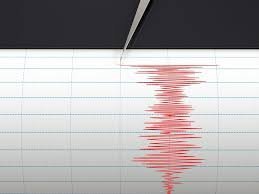
Understanding the Seismic Reality of Peru
Peru is a country of breathtaking landscapes and rich history, but it is also one of the most seismically active regions in the world. For those living in or visiting the region, understanding the phenomenon of a Peru earthquake (or seisme perou) is not just a matter of curiosity, but a necessity for safety.
The frequency and intensity of tremors in Peru are not random. They are the result of complex geological forces acting beneath the Earth’s surface, placing the country in a constant state of vigilance.
Why is Peru So Prone to Earthquakes?
The primary reason for the frequent seismic activity is Peru’s location on the Pacific Ring of Fire. This is a massive horseshoe-shaped area in the Pacific Ocean where a large number of earthquakes and volcanic eruptions occur.
Specifically, Peru sits atop the boundary where the Nazca Plate is subducting (sliding beneath) the South American Plate. This process creates immense pressure that, when released suddenly, results in earthquakes. According to the United States Geological Survey (USGS), this subduction zone is one of the most powerful seismic drivers on the planet.
How to Stay Safe During a Seismic Event
While we cannot predict exactly when an earthquake will strike, preparation is the best tool for survival. Whether you are a local resident or a tourist exploring Machu Picchu, following these safety protocols can save lives:
- n
- Drop, Cover, and Hold On: The gold standard of earthquake safety. Drop to your hands and knees, cover your head and neck under a sturdy table, and hold on until the shaking stops.
- Stay Away from Glass: Move away from windows, mirrors, and heavy furniture that could tip over.
- Avoid Elevators: If you are in a building, never use elevators during or immediately after a tremor.
- Identify Safe Zones: In open areas, move away from buildings, power lines, and streetlights.
Post-Earthquake Precautions
The danger doesn’t always end when the shaking stops. It is crucial to remain alert for aftershocks, which are smaller tremors that follow the main quake and can collapse already weakened structures.
Experts recommend having an emergency kit ready, including:
- n
- Bottled water and non-perishable food.
- A first-aid kit and essential medications.
- A battery-powered radio and flashlight.
- Copies of important identification documents.
Conclusion: Resilience in the Face of Nature
Living in a seismic zone requires a culture of prevention. Peru has made significant strides in building earthquake-resistant infrastructure and conducting national drills to ensure the population knows how to react. By staying informed and prepared, the impact of these natural events can be significantly mitigated.
For real-time monitoring and official alerts, always refer to local civil defence authorities and global geological monitors to stay updated on the latest seismic trends in South America.



