
The Tightening Grip: New US Sanctions Hit Cuba’s Industrial Core
The geopolitical tension between the United States and Cuba has reached a new boiling point. In a strategic move to destabilize the island’s economy, the US government has announced a fresh round of economic sanctions targeting key state-owned sectors. This latest escalation focuses on nine entities involved in mining, metals, and construction, signaling a shift toward targeting the very foundations of Cuba’s infrastructure.
Among the sanctioned organizations is the Ministry of Construction of Cuba and the mining group GEOMINSAL. These targets are particularly critical because Cuba possesses significant deposits of nickel and cobalt—minerals essential for global technology and energy transitions.
Targeting Influence and International Relations
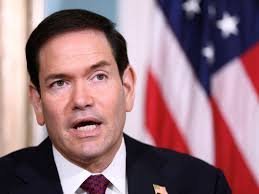
The sanctions aren’t limited to industrial giants. The US Treasury has also targeted three leaders of the Cuban Institute of Friendship with the Peoples (ICAP). According to Secretary of State Marco Rubio, ICAP has been operating as a “subversive network” designed to mislead American citizens and export ideology globally. Rubio argues that these measures are necessary to dismantle the “repressive apparatus” of the Cuban government.
A Strategy of “Maximum Pressure”
This current wave of restrictions is part of a broader “maximum pressure” campaign orchestrated by the Trump administration. The goal is clear: to foster regime change on an island just 90 miles from Florida. Following military-political maneuvers in Venezuela, the US has pivoted its focus toward Cuba, employing a series of aggressive tactics:
- n
- Fuel Blockades: A de facto blockade implemented in early 2026 has severely limited oil imports, with only a handful of Russian tankers managing to dock.
- Diplomatic Isolation: Pressuring third-party nations to cease exports to the island under threat of tariffs.
- Executive Orders: New legal frameworks allowing far-reaching sanctions on any individual or entity deemed responsible for repression.
The Humanitarian Toll: Beyond the Political Battle
While the US frames these actions as a matter of national security, the reality on the ground tells a different story. The economic strangulation has led to chronic energy blackouts and a critical shortage of life-saving medicines. The human cost is becoming impossible to ignore.
The United Nations has issued several dire warnings. UN Human Rights Commissioner Volker Turk has highlighted a heartbreaking trend: an increase in infant mortality rates and a decline in survival rates for children battling cancer.
“The fuel restrictions… and recent tightening of extraterritorial sanctions, taken together, are directly harming Cubans, especially the most vulnerable,” stated Turk, calling for an immediate lift of these measures.
As the US continues to treat Cuba as a national security threat, the international community remains divided on whether these economic weapons are a legitimate tool for political change or a violation of basic human rights, leading to what some experts call “energy starvation.”



