
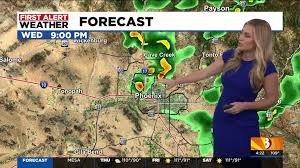
Arizona Under Siege: Dust Storm Warnings and Extreme Heat
The Southwest is currently facing a volatile weather pattern. A significant surge of moisture moving from the Gulf of California into central and southwest Arizona has triggered a spike in thunderstorm activity across the state, leading to urgent safety alerts for residents and travelers.
Urgent Dust Storm Warning for Phoenix Metro
The National Weather Service has issued a critical dust storm warning affecting a large portion of the East Valley. These events, often referred to as haboobs, can reduce visibility to near zero in a matter of seconds, creating perilous driving conditions.
Drivers should exercise extreme caution on the following major routes:
- n
- I-10
- I-17
- US-60 (near the Phoenix-Mesa area)
Additionally, blowing dust advisories remain in effect for the Buckeye, Avondale, South Mountain, Ahwatukee, and Queen Creek regions. While severe weather within these specific storms is not widely expected, the impact on visibility remains a primary concern.
Monsoon Moisture and Nighttime Storms
The current weather instability is driven by the influx of tropical moisture. While coverage may be minimal for some, there is a lingering chance for nighttime thunderstorms to continue through Thursday evening. These storms can be unpredictable, bringing sudden wind shifts and localized flooding.
The Battle Against Deadly Heat
Beyond the wind and dust, Arizona continues to grapple with an oppressive heatwave. An extreme heat warning has been extended through Sunday evening, with forecasted highs swinging between 110°F and 114°F.
Experts warn that this level of heat can be deadly. Unless a major breakout of monsoon storms occurs—which current forecast maps do not indicate—the region will remain in a high-risk heat zone for several more days.
How to Stay Safe
Whether you are dealing with a dust storm or extreme temperatures, safety is paramount. If you encounter a dust storm while driving, the golden rule is: Pull Aside, Stay Alive. Never stop in the middle of the highway.
For real-time tracking and official meteorological updates, we recommend monitoring the National Weather Service (NWS) to stay informed about changing conditions in your specific zip code.



