A Heavy Metal Collision: Demon Hunter Takes on Netflix
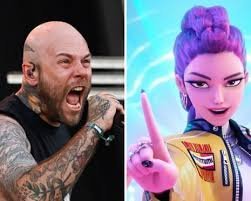
In an unexpected twist of events, the world of heavy metal and the global phenomenon of K-pop have collided—not on a stage, but in a courtroom. The veteran Christian metal band Demon Hunter has officially filed a lawsuit against streaming giant Netflix, alleging trademark infringement and unfair competition.
At the heart of the legal battle is the blockbuster animated film “KPop Demon Hunters”. While the movie has captured the hearts of millions, the band claims that the similarity in names has created “substantial confusion” among consumers, threatening a brand they have built over a quarter-century.
The Root of the Conflict: More Than Just a Name
Formed at the turn of the century, Demon Hunter is no newcomer to the music scene. For 25 years, the band has toured globally, released numerous albums, and cultivated a dedicated fanbase. According to the filing by Hyde Lane (the company representing the band), Netflix and concert promoter AEG Presents ignored the band’s existing presence when launching the movie.
The lawsuit highlights that the confusion isn’t just theoretical—it’s hitting people’s wallets. One particularly striking example includes a parent who spent $500 on top-tier tickets for a Demon Hunter concert in Albany, New York, mistakenly believing it was a live show for the KPop Demon Hunters characters to attend with their young daughters.
Real-World Consequences of Brand Confusion
The legal complaint lists several instances where the overlap in names caused chaos:
- n
- Ticketing Errors: Fans purchasing heavy metal concert tickets expecting a K-pop experience.
- Professional Mix-ups: Television producers contacting the band’s management under the impression they were linked to the Netflix production.
- Social Media Noise: A surge of incorrect tags on platforms like X (formerly Twitter) and Instagram, where film fans tag the metal band in movie-related posts.
n
n
n
The Success of ‘KPop Demon Hunters’
Ironically, the very success of the film is what makes the dispute so urgent for the band. Produced by Sony Pictures and released via Netflix, the animated adventure following the trio Huntrix became the most-watched original film in Netflix history since its summer 2025 release.
With a sequel already confirmed and reports of a potential television series and stage musical on the horizon, the brand “KPop Demon Hunters” is expanding rapidly, leaving the metal band fearing for their own intellectual property.
What’s Next for the Legal Battle?
Demon Hunter is seeking to block Netflix from using the name in connection with recorded music, live performances, and merchandise. While both parties have sought trademark protections—the band in 2022 for music and merch, and Netflix for various movie-related products—the court will now decide where the line is drawn.
As we wait for the verdict, this case serves as a fascinating example of how intellectual property laws navigate the intersection of different entertainment mediums. Whether you prefer the roar of a distorted guitar or the polished beats of K-pop, one thing is certain: this legal fight is just getting started.
For more updates on the music industry and legal disputes, keep an eye on high-authority sources like Billboard.