
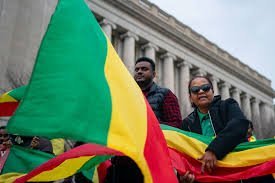
Legal Blow for Ethiopian Immigrants: The End of Temporary Protections
In a decision that has sent shockwaves through immigrant communities, a federal judge has cleared the path for the Trump administration to terminate deportation protections for approximately 5,000 Ethiopian nationals. These individuals had been residing in the United States under a specific form of humanitarian relief known as Temporary Protected Status (TPS).
US District Court Judge Brian E. Murphy denied a critical request from African Communities Together, an advocacy group fighting for the rights of African immigrants. The organization sought to postpone the termination of these protections while their legal challenge continues to move through the courts. However, the court’s refusal means the shield against deportation is effectively disappearing for thousands.
What is Temporary Protected Status (TPS)?
For those unfamiliar with the terminology, TPS is a vital mechanism that allows citizens of countries experiencing ongoing armed conflict, environmental disasters, or other extraordinary and temporary conditions to stay in the US legally. This status provides:
- n
- Legal Residency: Permission to live and work in the US without the immediate fear of deportation.
- Work Authorization: Access to legal employment opportunities.
- Humanitarian Safety: A temporary haven for those fleeing crises in their home countries.
While advocates argue that TPS is a lifeline, the current administration maintains that these permissions are strictly temporary and should not be viewed as a permanent immigration solution. This tension has led to a series of legal battles across the country.
A Broader Trend of Immigration Crackdowns
The ruling for Ethiopian nationals is not an isolated incident. It is part of a larger wave of court decisions stripping protections from over a million people. Recently, the Supreme Court allowed the administration to end TPS for immigrants from Syria and Haiti, potentially leaving hundreds of thousands vulnerable to deportation proceedings.
Similar legal setbacks have also been reported for immigrants from South Sudan and Somalia, signaling a systemic shift in how the US government is handling humanitarian relief statuses.
The Crisis in Ethiopia and the Legal Struggle
The necessity for these protections stems from the brutal conflict that erupted in Ethiopia’s Tigray region in late 2020. According to the UNHCR (The UN Refugee Agency), such conflicts often result in massive displacement and loss of life, making it unsafe for citizens to return home.
While the Biden administration had previously extended these protections in 2022 and 2024 due to the ongoing instability, the Department of Homeland Security (DHS) pushed to end them. Lawyers for the affected Ethiopians argued that the termination violated due process rights under the US Constitution and questioned whether the DHS Secretary had the legal authority to revoke the designation.
What Happens Next?
With Judge Murphy rejecting these claims, the legal window for thousands of Ethiopian residents is closing. As the administration moves forward with its agenda, the focus shifts to how these individuals will navigate their legal status and whether further appeals can be made to the higher courts.
For more official information on immigration statuses and current regulations, you can visit the Department of Homeland Security (DHS) website.



