
Crisis in Southern Lebanon: The Critical Role of UN Peacekeeping Amidst Escalating Violence
The volatility in southern Lebanon has reached a fever pitch, leaving thousands of civilians caught in the crossfire of an intensifying conflict. At the heart of this instability is the UN peacekeeping mission, specifically the UN Interim Force in Lebanon (UNIFIL), which is currently struggling to maintain a fragile peace as military activities surge.
A Surge in Hostilities: The Numbers
Recent reports from UNIFIL reveal a harrowing increase in military aggression. Over a two-week period between August 5 and 16, the peacekeeping force recorded an average of 137 projectiles fired daily into the region. The situation has only worsened in recent days, with a dramatic spike in violence:
- n
- Saturday: 208 projectiles recorded.
- Sunday: 185 projectiles recorded.
n
n
These numbers underscore a dangerous trend of escalation that threatens to destabilize the entire region further.
The Political Deadlock: Resolution 1701 and the Ceasefire
Despite a ceasefire agreement brokered by the United States on June 26, stability remains elusive. The core of the dispute lies in a complex geopolitical deadlock: while the agreement calls for the disarmament of Hezbollah, it does not explicitly mandate the immediate withdrawal of Israeli forces from occupied parts of southern Lebanon.
Hezbollah has firmly rejected the deal, insisting that no disarmament will occur until Israel completely withdraws. Meanwhile, the international community continues to lean on UN Security Council Resolution 1701. Adopted in 2006, this resolution remains the primary framework for restoring peace, calling for a cessation of hostilities and a strengthened deployment of the Lebanese army alongside UNIFIL.
The Human Cost of Insecurity
Beyond the political maneuvering, the true price of this conflict is being paid by civilians. Families have been displaced, and daily routines have been shattered by constant insecurity. UNIFIL has highlighted that the lack of certainty is forcing thousands to flee their homes, creating a growing humanitarian crisis.
To mitigate these risks, UN peacekeeping personnel have been working tirelessly on the ground by:
- n
- Conducting regular patrols and monitoring ceasefire violations.
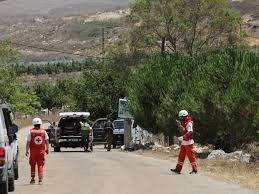
- Removing road obstacles to ensure freedom of movement.
- Reducing risks posed by explosive remnants of war.
- Facilitating the delivery of essential humanitarian aid.
n
n
n
n
The Uncertain Future of UNIFIL’s Mandate
As the year draws to a close, the future of the peacekeeping mission hangs in the balance. UNIFIL’s mandate is set to expire at the end of this year, sparking international debate over its effectiveness and future mission. However, Lebanon’s President, Joseph Aoun, has voiced strong support for extending the mandate, viewing the international presence as a cornerstone of regional stability.
Critics and scholars, such as Ziad Abu Rish of Bard College, suggest that the current Israeli strategy may be aimed at demonstrating resolve through collective punishment of the Lebanese population, rather than solely targeting militant groups. With the death toll rising—reaching 4,346 since March 2—the urgency for a sustainable diplomatic solution has never been higher.
The situation in southern Lebanon serves as a stark reminder of the challenges inherent in modern peacekeeping and the devastating impact of political failure on civilian lives.



