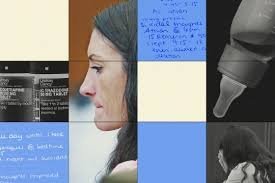
The Hidden Struggle: Understanding Postpartum Psychosis
For many new mothers, the period following childbirth is painted as a time of pure joy and bonding. However, for some, the transition into motherhood is marred by a severe and often misunderstood mental health crisis: postpartum psychosis.
Many women, like Ayana Lage, a resident of Florida, only become aware of this condition through extreme, high-profile news cases. But postpartum psychosis is a medical emergency that requires immediate attention, understanding, and professional intervention. It is far more than just the “baby blues” or standard postpartum depression.
What Exactly is Postpartum Psychosis?
Postpartum psychosis is a severe but treatable mental health disorder that occurs shortly after childbirth. Unlike postpartum depression, which primarily involves persistent sadness and fatigue, psychosis involves a break from reality. This can manifest as hallucinations, delusions, and extreme confusion.
According to experts at the Mayo Clinic, this condition is rare but constitutes a psychiatric emergency because of the risk it poses to both the mother and the newborn.
Recognizing the Red Flags
Early detection is key to a successful recovery. Because the onset can be sudden, partners, family members, and healthcare providers must be vigilant. Watch for these warning signs:
- n
- Extreme Mood Swings: Rapid shifts from euphoria (mania) to deep depression.
- Hallucinations: Seeing or hearing things that aren’t there.
- Delusions: Firmly holding beliefs that are not based in reality (e.g., believing the baby is in danger from an imaginary source).
- Severe Insomnia: An inability to sleep even when the baby is sleeping.
- Disorientation: Feeling confused or disconnected from their surroundings.
Breaking the Stigma and Finding Help
The fear of judgment often prevents mothers and families from seeking help. It is crucial to understand that postpartum psychosis is not a choice and is not a reflection of a mother’s love for her child. It is a biological and psychological complication of childbirth.
If you or a loved one are experiencing these symptoms, immediate action is necessary. Contacting a healthcare provider or visiting an emergency room can save lives. Resources from the National Institute of Mental Health (NIMH) provide extensive guidance on managing perinatal mood and anxiety disorders.
Final Thoughts: You Are Not Alone
Healing is possible. With the right combination of medication, therapy, and a strong support system, women recovering from postpartum psychosis can lead healthy, fulfilling lives and build strong bonds with their children. By sharing stories and increasing awareness, we can ensure that no mother has to face this darkness in silence.