The ‘Bull’ Run: How a Low-Budget Movie Became China’s Most Unexpected Viral Hit
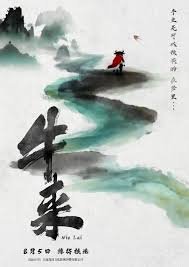
In a stunning turn of events that has left cinema critics and industry insiders baffled, the movie “Niu Lai” has transformed from an obscure release into a social media wildfire. On August 15, the trend “Niu Lai Box Office Surges 1000 Times” rocketed to the top of Weibo’s hot search list, marking one of the most bizarre success stories in recent cinematic history.
From Obscurity to Box Office Explosion
The numbers are nothing short of staggering. According to data from the Lighthouse professional edition, the film’s cumulative box office exceeded 2.21 million yuan by midnight on the 16th. When factoring in pre-sales, the total reached 2.436 million yuan. Some projections are even bolder, with Maoyan professional data suggesting the total could soar as high as 18.37 million yuan.
The surge is evident in the daily rankings. On August 15 alone, Niu Lai pulled in 484,000 yuan in a single day, with screenings jumping to 1,991 sessions. Surprisingly, its occupancy rate climbed to 12.1%, outperforming major international hits and established titles.
A Social Gathering, Not a Cinema Experience
If you walk into a screening of Niu Lai, you won’t find the usual hushed silence of a movie theater. Instead, you’ll encounter:
- n
- High Energy: The audience consists mostly of young people treating the cinema like a social club.
- Digital Documentation: Many viewers spend the movie recording clips on their phones for social media.
- Laughter Over Logic: The theaters are filled with bursts of laughter, often directed at the film’s perceived shortcomings rather than its brilliance.
n
n
n
For many, the movie is merely a backdrop for a “check-in” event—a physical manifestation of an online meme where the desire for social currency outweighs the desire for high-quality storytelling.
The Moral Dilemma of Cinema Managers
This sudden spike in “curiosity traffic” has created a rift among cinema operators. On one side, managers struggling with the post-pandemic economy argue that cinemas should provide whatever the audience wants to see to survive. On the other side, purists argue that the silver screen holds a public cultural responsibility and should not reward low-quality productions.
One industry insider described the internal conflict perfectly: “It feels like my morals and my sense of humor are fighting each other.”
The ‘Bull Market’ Superstition
Why is the movie called Niu Lai? In Chinese, “Niu” (牛) means bull, which is the universal symbol for a bull market—a period of rising stock prices.
This linguistic coincidence has attracted a peculiar demographic: stock investors. Many viewers have admitted they are supporting the film as a form of “spiritual investment,” hoping that the viral success of a “Bull” movie will trigger a rally in bull-related stocks in the financial markets.
Conclusion: The Power of the Meme
Niu Lai is a fascinating case study in modern consumption. It proves that in the age of the algorithm, a film doesn’t need to be “good” to be successful—it just needs to be meme-worthy. Whether it’s a genuine hit or a fluke of internet culture, Niu Lai has successfully captured the zeitgeist of a generation that values the experience of the trend over the quality of the art.