The Trump Effect: Analyzing Donald Trump’s Enduring Influence on American Politics
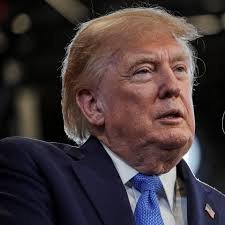
The Trump Effect: Analyzing Donald Trump’s Enduring Influence on American Politics
Few figures in modern history have managed to polarize, energize, and redefine the political landscape as profoundly as Donald Trump. From his descent down a golden escalator in 2015 to his role as a central figure in the current political climate, the “Trump Effect” is more than just a personality cult—it is a systemic shift in how politics is conducted in the United States.
Redefining the Republican Party
One of the most significant impacts of Donald Trump’s rise was the fundamental transformation of the Republican Party (GOP). He shifted the party’s focus from traditional neoliberal economics and interventionist foreign policy toward a more populist, “America First” approach.
Key areas of this transformation include:
- n
- Trade Policy: A move away from globalist free-trade agreements toward protective tariffs.
- Immigration: A hardline stance on border security that became a cornerstone of the party platform.
- Communication: The use of direct-to-consumer communication via social media, bypassing traditional journalistic filters.
The 2024 Political Landscape
As the United States moves through its current election cycle, the presence of Donald Trump continues to dominate the narrative. His ability to maintain a loyal base of supporters, despite numerous legal challenges and political setbacks, demonstrates a unique resilience in the digital age.
Political analysts often point to the populist surge as a reaction to economic displacement and a perceived disconnect between the “elite” in Washington D.C. and the working class. By positioning himself as the ultimate outsider, Trump tapped into a deep-seated frustration that continues to resonate today.
A Legacy of Disruption
Whether viewed as a necessary disruptor or a threat to democratic norms, Trump’s legacy is undeniable. He challenged the traditional decorum of the presidency and forced a national conversation on issues ranging from judicial appointments—specifically the reshaping of the U.S. Supreme Court—to the role of the media in a democracy.
To understand the current state of the US, one must look at the data provided by non-partisan organizations like Pew Research Center, which consistently highlights the deep ideological divide that has widened during this era.
Conclusion: What Lies Ahead?
Donald Trump has proven that he is not merely a temporary phenomenon but a catalyst for a broader movement. As the US prepares for future electoral battles, the questions remain: Will the “America First” ideology persist regardless of who holds office, or is this a specific byproduct of one man’s influence?
One thing is certain: the political playbook has been rewritten, and the impact of Donald Trump will be studied by historians for decades to come.
📰 You May Also Like