
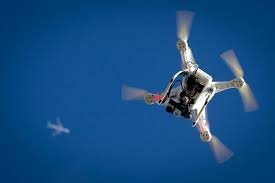
Unlock the Sky: The Comprehensive Guide to Drones in Canada
From breathtaking cinematic landscapes to precision agricultural monitoring, drones (or Unmanned Aerial Vehicles – UAVs) have evolved from niche gadgets into powerful tools for both hobbyists and professionals. Whether you are looking to capture the rugged beauty of the Canadian Rockies or optimize your business operations, understanding the drone ecosystem is essential.
In this guide, we explore everything you need to know about choosing, flying, and staying legal with your drone in Canada.
Types of Drones: Which One is Right for You?
Before investing in a drone, it is crucial to identify your primary goal. The market is diverse, and choosing the wrong type can lead to frustration.
- n
- Consumer/Photography Drones: These are designed for stability and high-quality imagery. They often feature gimbal-stabilized cameras and GPS for easy hovering.
- FPV (First Person View) Drones: Built for speed and agility. These are popular for racing or creating immersive, high-action videos.
- Enterprise/Professional Drones: Used for industrial purposes such as thermal imaging, 3D mapping, and infrastructure inspection.
- Toy Drones: Small, affordable options perfect for children or beginners to practice basic flight controls indoors.
Navigating Drone Laws in Canada
Flying a drone in Canada isn’t as simple as taking off and going. To ensure safety and privacy, Transport Canada has established strict regulations. Depending on the weight of your drone, you may fall into different categories:
1. Micro-Drones (Under 250g)
Drones in this category are subject to fewer restrictions. While you don’t need a pilot certificate, you must still fly safely and avoid endangering people or property.
2. Small Drones (250g to 25kg)
If your drone falls into this weight class, you are required to:
- Register your drone with Transport Canada.
- Obtain a Pilot Certificate (Basic or Advanced) depending on where you intend to fly.
- Follow airspace restrictions, staying away from airports and emergency zones.
Key Features to Look for When Buying a Drone
If you’re shopping for your first high-quality drone, keep these specifications in mind to ensure you get the best value for your money:
- Camera Quality: Look for at least 4K resolution and a high dynamic range (HDR) for professional-looking footage.
- Flight Time: Battery life is the biggest bottleneck. Aim for drones that offer at least 25-30 minutes per charge.
- Obstacle Avoidance: Sensors that detect walls or trees are a lifesaver for beginners.
- Portability: Foldable designs are ideal for hikers and travellers across Canada’s vast landscapes.
The Future of Drone Technology
The industry is moving fast. We are seeing a surge in AI-driven autonomous flight, where drones can follow subjects without manual input, and the integration of 5G for real-time, long-distance control. For those interested in the latest hardware trends, checking industry leaders like DJI can provide insight into where the technology is heading.
Final Thoughts
Drones offer a unique perspective that was once reserved for helicopter pilots and satellites. By choosing the right equipment and respecting the laws of the land, you can explore the world from a whole new angle. Remember: fly responsibly, respect privacy, and always check the weather before take-off!



