
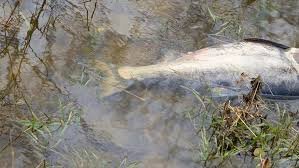
Bighead Carp: The Giant Invasive Species Threatening North American Waterways
Imagine a fish that can grow to the size of a medium-sized dog, leaps high out of the water, and consumes almost everything in its path. This isn’t a creature from a movie; it’s the Bighead Carp (Hypophthalmichthys nobilis), one of the most challenging invasive species currently facing North American river systems.
But why has the Bighead Carp become such a focal point for environmentalists and government agencies? Let’s dive into the details of this aquatic invasion.
What Exactly is the Bighead Carp?
Native to East Asia, the Bighead Carp was originally introduced to the United States in the 1970s to control algae and louse flies in aquaculture ponds. However, as is often the case with invasive species, these fish escaped into the wild during flooding events, quickly establishing populations in the Mississippi River basin.
These fish are characterized by their large heads and a specialized feeding mechanism. They are filter feeders, meaning they strain plankton and algae from the water, which puts them in direct competition with many native fish species.
Why Are They a Threat to the Ecosystem?
The impact of Bighead Carp on local biodiversity is devastating. Because they consume vast quantities of plankton—the foundation of the aquatic food web—they essentially “starve out” native species, including prized game fish and endangered mussels.
- n
- Resource Competition: By stripping the water of plankton, they disrupt the growth of juvenile native fish.
- Rapid Reproduction: Their ability to spawn in large numbers allows them to overwhelm local habitats quickly.
- Habitat Alteration: Their presence changes the biological balance of the rivers they inhabit.
The “Jump” Factor: A Danger to Boaters
One of the most alarming traits of the Bighead Carp is its tendency to jump out of the water when startled, particularly by the sound of outboard boat motors. This behavior has led to numerous reports of fish striking boaters and anglers, turning a peaceful day on the lake into a chaotic encounter.
How is the Invasion Being Managed?
Fighting the spread of Bighead Carp requires a coordinated effort. The US Geological Survey (USGS) and other federal agencies have implemented several strategies to stop their progression toward the Great Lakes, which would be an ecological disaster.
Key management tactics include:
- Electrical Barriers: High-voltage barriers are used in key waterways to deter fish from migrating north.
- Commercial Fishing: Encouraging the harvest of carp for food or fertilizer to reduce population density.
- Bio-acoustic deterrents: Using sound waves to steer fish away from sensitive areas.
Conclusion: Protecting Our Waters
The saga of the Bighead Carp serves as a stark reminder of the dangers of introducing non-native species into new environments. Protecting our waterways requires vigilance, scientific research, and public awareness. If you are a boater or angler, remember to clean your gear and report any sightings to local wildlife authorities.
For more information on how to identify invasive species and protect your local environment, visit the National Oceanic and Atmospheric Administration (NOAA).



