
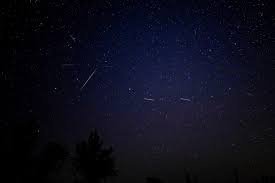
Prepare Your Telescope: The Stunning Meteor Shower of August 2026 is Here!
Get ready to look up! The night sky is about to put on one of its most dazzling performances of the year. The meteor shower in August 2026—specifically the world-renowned Perseids—is returning, and for those in the Northern Hemisphere, the conditions are looking absolutely spectacular.
This isn’t just any celestial event. This year, the peak of the Perseids coincides with a rare astronomical trifecta: a total solar eclipse crossing Spain, Iceland, and Greenland, and a magnificent six-planet parade. It is a once-in-a-lifetime alignment that makes the August 2026 sky a must-watch for stargazers and science enthusiasts alike.
What Exactly Are the Perseid Meteors?
Every year, Earth plows through a trail of cosmic debris left behind by comets and asteroids. When these remnants hit our atmosphere at extreme speeds, they ignite, creating the brilliant streaks of light we call “shooting stars.”
The Perseids are the result of comet 109P/Swift-Tuttle, a massive icy body that orbits the sun every 133 years. As the sun evaporates the comet’s ice, it releases dust and rock that linger in space. According to astrophysicist Neil DeGrasse Tyson, this “frozen dirt” is what creates the magic we see from the ground. Interestingly, Comet Swift-Tuttle isn’t expected to visit our neighborhood again until the year 2125!
Why August 2026 is a Viewer’s Paradise
If you’ve missed previous showers due to a bright moon or cloudy skies, you’re in luck. This year, the peak coincides with a new moon phase. As astronomer Aparna Venkatesan explains, a new moon means the sky isn’t flooded with light, allowing the fainter meteors to pop and the brilliant fireballs to shine even brighter.
Under ideal conditions, NASA suggests that observers could see between 50 to 100 meteors per hour, while those in rural areas can expect a steady stream of 30 to 50.
Pro Tips for the Best Viewing Experience
To ensure you don’t miss a single fireball, follow these expert tips to optimize your stargazing session:
- Escape the City: Drive away from urban light pollution. Find a dark spot, such as a rural field or a mountain range, to get the clearest view.
- Timing is Everything: The best window for viewing is between midnight and dawn, when the constellation Perseus is high in the northern sky.
- Let Your Eyes Adjust: Give your eyes about 30 minutes to adapt to the darkness. Avoid checking your phone, as the blue light will ruin your night vision.
- Be Patient: Pick a wide patch of sky and let the meteors come to you. Often, the most brilliant streaks are caught in your peripheral vision.
Conclusion: A Moment of Celestial Magic
There is something deeply humbling and magical about watching the remnants of an ancient comet streak across the atmosphere. Whether you are a seasoned astronomer or someone just looking for a reason to step outside, the meteor shower in August 2026 promises to be an unforgettable experience.
So, grab a blanket, find a dark spot, and prepare to be amazed by the universe’s own fireworks display!



