
The Invisible Frontline: Economic Collapse in Iran
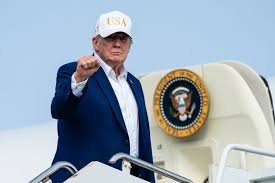
While the world watches for missile launches and military movements, a different kind of war is being waged in the streets of Tehran and the border towns of Iran. It is a war of attrition, fought not with bombs, but with inflation, debt, and systemic financial collapse. As the geopolitical tension surrounding Donald Trump and the Iran war narrative intensifies, the Iranian people are finding themselves caught in the crossfire of a high-stakes economic gamble.
Current indicators suggest that Iran’s economy is no longer just struggling—it is in a state of freefall. Deepening poverty, rampant inflation, and hidden unemployment have become the new norm for millions of citizens.
The Strategy of “Economic Pain”
Former US President Donald Trump has been candid about his approach: inflicting maximum economic pressure to force concessions. By leveraging sanctions and restricting access to global markets, the strategy aims to deplete Iran’s coffers. This approach views financial desperation as a more effective tool for regime change or diplomatic leverage than traditional military engagement.
The results are devastatingly visible. According to the International Monetary Fund (IMF), the Iranian economy is projected to shrink by 6% this year, representing a massive destruction of national wealth and individual livelihoods.
Life on Credit: The New Survival Mechanism
For the average Iranian, survival has become a game of digital juggling. With food inflation soaring by nearly 130% over the past year, wages have failed to keep pace. This has led to a dangerous reliance on “micro-credit apps” for basic needs.
- n
- Daily Essentials: Citizens are now using credit apps just to afford a small meal or a daily commute.
- The Debt Cycle: Many workers report that 40% of their income goes to rent and another 40% to paying off high-interest credit instalments.
- Student Crisis: Even students, facing an unstable job market, are falling into debt traps with piling fines and fees.
A Social Ticking Time Bomb
The human cost of this economic warfare is profound. Experts, including economics professors from Tehran University, describe the economy as a “patient suffering from severe bleeding.” Any further shock—such as the reduction of gasoline subsidies—could be the fatal blow that triggers widespread social unrest.
The plight of the working class is particularly grim. In regions like Baneh, construction workers are left completely defenseless. Many lack basic health insurance, and some have been driven to the extreme desperation of kolbari—smuggling goods across borders through dangerous minefields left over from the 1980s Iran-Iraq war.
The Oil Paradox and the Road Ahead
Ironically, Iran remains a land of immense natural wealth. While oil exports provided a temporary silver lining, the US naval blockade is beginning to bite hard. Shipping data indicates a significant halt in exports from key hubs like Kharg Island, further strangling the state’s revenue.
While some analysts suggest that a diplomatic resolution could unlock billions in frozen assets, the reality for the Iranian people is far more immediate. As the conflict between the US administration and Tehran continues, the cost of survival rises daily.
The ultimate question remains: Will economic desperation lead to the political compromise Washington seeks, or will it simply push a population to the brink of an uncontrollable social explosion?



