
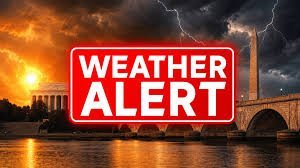
Heat Fuels Dangerous Weather: Severe Thunderstorm Watch Issued for DMV
Residents across the DMV (DC, Maryland, and Virginia) are on high alert as record-breaking heat sets the stage for volatile weather. According to recent meteorological data, Monday’s soaring temperatures have created the perfect atmospheric conditions to fuel intense storms, potentially disrupting the evening commute and posing risks to safety.
A severe thunderstorm watch has been officially posted for several areas within and around the beltway. While the atmosphere remains unstable, the window of highest risk is expected to peak between 5 p.m. and 8 p.m., though the watch remains in effect until 9 p.m.
What to Expect: The Primary Threats
These are not your typical summer showers. Meteorologists are warning of several high-impact threats that could cause significant disruption:
- n
- Damaging Winds: Gusts reaching up to 60 mph, capable of knocking down tree limbs and power lines.
- Large Hail: Potential for significant hail that could damage vehicles and property.
- Torrential Rain: Heavy downpours leading to localized flooding and dangerous driving conditions.
- Frequent Lightning: Constant electrical activity, making outdoor activities hazardous.
- Tornado Potential: While unlikely, an isolated, low-end tornado cannot be entirely ruled out.
Watch vs. Warning: Do You Know the Difference?
It is crucial to understand the terminology used by weather services to ensure you take the right precautions. A severe thunderstorm watch means that conditions are favorable for severe weather to develop. It is a signal to stay vigilant and be prepared.
However, if a Severe Thunderstorm Warning is issued for your specific location, it means the danger is imminent or already occurring. In this case, you should immediately move indoors, stay away from windows, and seek shelter in a sturdy building.
How to Stay Safe
To protect yourself and your family, follow these essential safety guidelines provided by the National Oceanic and Atmospheric Administration (NOAA):
- n
- Monitor local news and weather apps for real-time updates.
- Avoid driving during the peak of the storm to prevent being caught in flash floods.
- Secure outdoor furniture and loose objects that could be carried by 60 mph winds.
- Ensure your mobile devices are charged in case of power outages.
Stay tuned to the latest weather bulletins and keep your safety a priority as these systems move through the region.



