
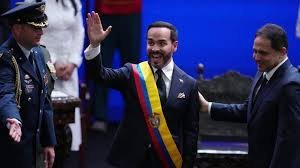
Violence Erupts in Colombia as New Administration Takes Hold
Colombia has entered a volatile new political chapter. Just one day after the inauguration of Abelardo de la Espriella, the nation’s new conservative president, a devastating car bomb exploded in the southwestern region, signaling a rocky start to his term. The attack, which targeted a toll plaza on the Pan-American Highway, has sent shockwaves through a country already deeply divided by political polarization.
The Attack: Chaos on the Pan-American Highway
The Colombian army has attributed the explosion to dissident factions of the Revolutionary Armed Forces of Colombia (FARC). These groups, who rejected the peace agreements signed a decade ago, continue to challenge the state’s authority through guerrilla warfare and terrorism.
While the army reported that two security guards sustained minor injuries, the impact on the local community was far more severe. Residents living near the toll plaza reported being lifted out of their beds by the blast wave. One local resident, Elizabeth Zapata, described the horror of seeing her family members with shards of glass embedded in their skin after windows shattered throughout the neighborhood.
A Hardline Approach to National Security
President Abelardo de la Espriella, a lawyer and businessman with no prior political experience, has made his stance clear. In his inaugural address, he issued a stark ultimatum to illegal armed groups: “submit to the rule of law or confront the security forces.”
Unlike his predecessor, Gustavo Petro, who promoted dialogue and peace negotiations with armed groups, de la Espriella is pivoting toward a security-first strategy. Immediate actions include:
- n
- Prisoner Transfers: The immediate relocation of 117 prisoners linked to previous peace talks into eight maximum-security prisons.
- Containment Strategy: Efforts to dismantle the ability of criminal organizations to coordinate illicit activities from within the prison system.
- Military Mobilization: Increased deployment of soldiers and K9 units to secure critical infrastructure and search for explosive devices.
Systematic Violence and Political Polarization
The Governor of Cauca, Jorge Octavio Guzmán, warned that this bombing is not an isolated incident but part of a systematic effort to isolate the department and maintain territorial control over thousands of hectares of land. Minister of Transportation Elsa Noguera echoed this sentiment, asserting that Colombia will not “kneel before violence.”
Beyond the physical violence, Colombia faces a crisis of legitimacy. The election runoff was tightly contested, and former President Gustavo Petro has refused to acknowledge de la Espriella’s victory, alleging fraud despite affirmations from international observers and electoral authorities.
What This Means for Colombia’s Future
As the de la Espriella administration begins its tenure, the world is watching to see if a hardline security approach can bring stability or if it will further fuel the cycle of violence. For more insights on global political stability and conflict resolution, you can visit Reuters World News or follow updates via the BBC Latin America section.



