The Desperate Search for Healing in a Broken System
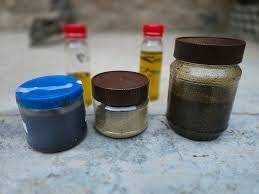
In the heart of Taiz, Yemen, a quiet but dangerous trend is emerging. As the national healthcare infrastructure crumbles under the weight of years of conflict and funding shortages, thousands of citizens are facing a harrowing choice: endure untreated illness or trust their lives to unregulated herbalists and honey shops.
For many, this isn’t a choice based on preference, but on survival. When hospitals are unreachable or unaffordable, the allure of a “natural cure” becomes an irresistible lifeline.
A Healthcare System on the Brink of Collapse
The scale of the crisis is staggering. According to the World Health Organization (WHO), more than 20 million Yemenis currently lack access to basic medical care. The statistics paint a grim picture:
- n
- 50% of health facilities are entirely non-functional.
- Severe funding shortages have crippled the response to outbreaks of cholera and diphtheria.
- A massive gap in specialized care forces patients to either travel abroad—an impossibility for the poor—or seek alternative treatments.
The High Cost of a “Natural” Mistake: Jaleelah’s Story
Jaleelah Abdul Hameed, a woman in her 50s, learned the hard way that not all traditional remedies are benign. After a series of medical misdiagnoses, Jaleelah was eventually diagnosed with liver cancer. Facing the impossible cost of international treatment, she was swayed by local health stores promising a miracle cure.
For six months, Jaleelah abandoned her chemotherapy and prescribed medications in favor of a mysterious mixture of ground leaves and honey. The result was catastrophic. By the time she returned to the hospital, her health had deteriorated severely, leaving her in a much more fragile state than before she started the herbal treatment.
“I knew deep down that herbal remedies couldn’t cure a disease like mine, but I made the wrong choice,” Jaleelah admits, highlighting the psychological toll of desperation.
The Illusion of Recovery
Not everyone shares Jaleelah’s immediate tragedy, which is precisely why herbal medicine is so seductive. Raqeeb Sultan, who suffered from Helicobacter pylori, claims that a honey-based herbal treatment worked where modern medicine seemingly failed. While Raqeeb felt better, medical experts warn that this is often a dangerous illusion.
Dr. Adel, an internal medicine specialist, explains that symptoms of many infections can fluctuate. “Temporary relief is often exploited by practitioners to market their services,” he warns. He emphasizes that while Yemen’s health system is struggling, standard medical care remains significantly safer and more effective than unproven traditional methods.
Faith, Tradition, and the Lack of Regulation
The rise of these “clinics” is fueled by a blend of cultural trust and strategic marketing. Many practitioners base their claims on religious texts, citing the Holy Quran’s mention of honey as a healing agent. Some even leverage social media influencers to reach a wider, more vulnerable audience.
The Regulatory Loophole
Perhaps the most concerning aspect is the complete lack of oversight. Many herbalists operate without official permits, arguing that because they sell “natural products,” they fall outside the jurisdiction of health offices. This legal gray area allows practitioners to claim they can cure everything from minor headaches to terminal cancer without any accountability.
Conclusion: The Need for Urgent Intervention
The situation in Yemen is a stark reminder that global health is not just about medicine, but about access and stability. When the state fails to provide basic health services, the vacuum is filled by those who profit from desperation.
As Jaleelah poignantly puts it, the people of Yemen should not be “victimised twice”—first by a collapsed healthcare system, and second by those who deceive them in their hour of greatest need.