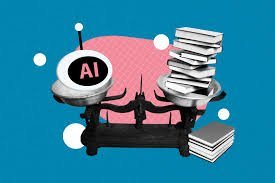
AI in Education: Can Technology Truly Bridge the Achievement Gap?
For decades, every new generation has sought a “magic bullet” to fix the American education system. Today, that hope is centered on Artificial Intelligence. Industry titans like Microsoft CEO Satya Nadella and investor Marc Andreessen argue that generative AI will democratize learning by providing every student with a personalized tutor, a research assistant, and a writing coach available 24/7.
The promise is seductive: if every child has access to individualized instruction, the longstanding achievement gaps could finally vanish. But is this a realistic goal, or are we repeating a historical pattern of overestimating technology while ignoring social reality?
The Cycle of Educational “Breakthroughs”
As history shows, the belief that schools alone can solve societal inequality is not new. In 1848, Horace Mann described schools as the “great equalizer.” This ideal continues to drive US educational policy, leading us to seek the next big breakthrough whenever gaps in achievement persist. However, previous “revolutions” have told a different story:
- n
- Charter Schools: Promised that competition and innovation would transform underserved communities, yet studies, including those from Stanford University, show only modest gains.
- Teach For America: Attempted to bridge the gap by placing elite university graduates in low-income schools, but high turnover rates proved that commitment alone cannot erase the effects of poverty.
- No Child Left Behind (2002): Focused on standardized testing and accountability, which often resulted in “teaching to the test” rather than actual learning.
The Power and Limits of Generative AI
To be clear, Generative AI is not without merit. Its potential to enhance the classroom is undeniable. When implemented correctly, AI can:
- Explain complex concepts in simplified terms.
- Provide immediate, actionable feedback to students.
- Assist teachers in differentiating instruction for diverse learning speeds.
- Reduce the burden of routine administrative tasks.
However, a critical distinction must be made: technological innovation is not social policy.
Why AI Cannot Fix Systemic Inequality
The primary obstacles to educational equality do not happen inside the classroom; they happen long before a child even steps foot in a school. A chatbot, no matter how sophisticated, cannot provide:
- Stable and safe housing.
- Consistent access to nutritious food.
- Quality healthcare and mental health support.
- Reliable high-speed internet and family resources.
These systemic disparities accumulate over time, shaping a child’s cognitive and emotional readiness. While AI can help a student study better, it cannot eliminate the economic hardship that hinders their ability to focus.
Conclusion: Moving Beyond the Tool
Education remains a powerful engine for curiosity and opportunity. However, if we truly want to narrow the opportunity gap, we must stop expecting software to accomplish what only broad economic and social reforms can achieve. According to UNESCO, equitable education requires a holistic approach to human rights and social welfare.
AI will undoubtedly transform how students learn, but it will not, by itself, transform the unequal society in which they live. The future of education lies not in the tools we use, but in the society we build around the students who use them.