
Against All Odds: The Daring Mid-Winter Medevac from Antarctica
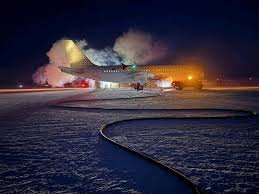
Imagine landing a massive aircraft in total darkness, where the temperature plummets to a bone-chilling -45.5°F (-43°C), and the runway is nothing more than compacted snow. This was the reality for a specialized Australian aviation team during a high-stakes medevac mission that sounds more like a movie script than a rescue operation.
Last month, a US expeditioner stationed at the McMurdo research station required urgent medical attention. In the dead of the Antarctic winter, when the continent is shrouded in near-permanent darkness and extreme weather, the margins for error are zero.
The Mission: Operation Snowbird 1
The urgency began on July 28, when the Australian Antarctic Division issued a critical request for assistance. Skytraders, an airline renowned for its expertise in polar flights, stepped up to the challenge.
While an initial attempt on July 29 was thwarted by savage weather, the team didn’t waver. On July 31, the Airbus A319, aptly named Snowbird 1, soared from Australia. After a grueling journey, the aircraft touched down at McMurdo station under conditions that Captain Al Wallach described as being “right on the edge” of the aircraft’s specialized capabilities.
The Extreme Challenges of Polar Aviation
Performing a medical evacuation (medevac) in Antarctica is an architectural feat of logistics and bravery. Co-pilot Louise Robertson highlighted several factors that make these missions perilous:
- Unstable Runways: Unlike traditional tarmac, Antarctic runways are compacted snow, requiring precise grooming to ensure enough friction for a safe stop.
- Meteorological Chaos: Crews must maintain constant communication with global weather teams to track unpredictable storm patterns.
- Mental Fortitude: The crew had to prepare for worst-case scenarios, including total power outages at the airstrip and zero-visibility landings.
“It was a huge amount of concentration and workload… doing cold weather calculations and correcting for altitude on the approach,” recalled Robertson.
A Triumph of International Cooperation
Once the American patient was safely on board, the team raced against deteriorating weather to reach Christchurch, New Zealand. Thanks to the seamless coordination between the US Antarctic Program and the Australian crew, the patient is now reported to be recovering well.
This successful medevac serves as a powerful reminder of the bravery of those who operate in the world’s most hostile environments and the critical importance of international partnerships in scientific exploration and emergency response.



