
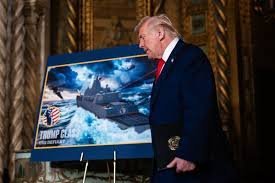
Trump’s Naval Shipbuilding Proposal: A Strategic Move for US Maritime Power
In an era of shifting global dynamics and increasing maritime tensions, the trump naval shipbuilding proposal has emerged as a central pillar of a broader strategy to revitalize United States national security. The core of this proposal focuses on one primary objective: ensuring that the U.S. Navy maintains an uncontested advantage on the high seas.
The Vision Behind the Shipbuilding Expansion
The proposal emphasizes a significant increase in the number of hulls and the modernization of existing fleets. By expanding the shipbuilding capacity, the goal is to move toward a more robust naval presence that can project power across multiple theaters, particularly in the Indo-Pacific region.
Key aspects of this strategic push include:
- n
- Increasing Fleet Size: Aiming for a larger number of vessels to ensure operational flexibility and persistence.
- Modernizing Technology: Integrating AI, unmanned surface vessels, and advanced missile systems into new ships.
- Revitalizing Domestic Shipyards: Boosting the U.S. industrial base to reduce reliance on foreign components and speed up production timelines.
Countering Global Competitors
A primary driver for the trump naval shipbuilding proposal is the rapid expansion of the Chinese People’s Liberation Army Navy (PLAN). To maintain the “balance of power,” the U.S. must not only match the quantity of ships but exceed them in quality and strategic deployment capabilities.
According to experts at the Official U.S. Navy website, maritime superiority is essential for protecting global trade routes and ensuring the freedom of navigation, which are critical for the global economy.
Economic Impact: Jobs and Industry
Beyond national security, this proposal serves as a massive economic catalyst. Expanding naval production means a surge in demand for steel, advanced engineering, and skilled labor.
The revitalization of American shipyards is expected to:
- Create thousands of high-paying manufacturing jobs.
- Encourage innovation in maritime engineering.
- Strengthen the supply chain for critical defense materials.
Challenges and the Path Forward
While the vision is ambitious, it faces significant hurdles. Budgetary constraints and the current state of the U.S. industrial workforce present challenges to rapid scaling. However, proponents argue that the cost of inaction—allowing a competitor to dominate the seas—is far higher than the investment required for this expansion.
For a deeper dive into current defense spending and strategic planning, the U.S. Department of Defense provides detailed reports on the National Defense Strategy.
Conclusion
The trump naval shipbuilding proposal is more than just a plan to build more ships; it is a strategic blueprint for 21st-century deterrence. By investing in maritime infrastructure and cutting-edge naval technology, the U.S. aims to secure its interests and maintain peace through strength in an increasingly volatile world.



