
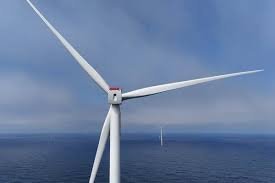
The New Frontier of Clean Energy: Understanding Offshore Wind Power
As the world races toward a carbon-neutral future, the search for scalable and efficient energy sources has led us from the plains of the heartland to the depths of the ocean. Offshore wind power is emerging as one of the most promising solutions in the global transition to renewable energy, offering a powerhouse of potential that far exceeds traditional land-based wind farms.
But what exactly makes offshore wind so special, and why is it becoming a focal point for energy strategies in Canada and across the globe?
How Offshore Wind Power Works
At its core, offshore wind power utilizes the same basic principle as onshore wind: wind turns the blades of a turbine, which spins a generator to create electricity. However, the environment at sea provides two distinct advantages: consistency and strength.
Wind speeds over the ocean are generally higher and more stable than on land, where hills, buildings, and forests create turbulence and slow down the airflow. This means offshore turbines can generate significantly more electricity more consistently.
Types of Offshore Installations
- Fixed-Bottom Turbines: These are anchored directly into the seabed. They are ideal for shallow waters (up to 60 metres) and are currently the most common technology used globally.
- Floating Wind Turbines: A breakthrough in engineering, floating platforms allow turbines to be placed in much deeper waters. This opens up vast areas of the ocean—including Canada’s deep Pacific and Atlantic coasts—where winds are strongest.
The Major Benefits of Going Offshore
Transitioning to offshore wind power isn’t just about producing more energy; it’s about doing it smarter. Here are the primary advantages:
- Massive Power Output: Because ocean winds are stronger, a single offshore turbine can produce significantly more megawatt-hours than an onshore equivalent.
- Reduced Land Conflict: By moving energy production to the sea, we reduce the competition for land use, avoiding conflicts with agriculture, forestry, or urban expansion.
- Visual and Noise Mitigation: Placed far from the coastline, these installations minimize the noise and visual impact often associated with wind farms.
Canada’s Strategic Potential in the Blue Economy
With three coastlines, Canada is uniquely positioned to become a leader in the offshore wind sector. From the rugged shores of Nova Scotia to the deep waters of British Columbia, the potential for energy generation is immense. Integrating this technology into the national grid would not only help Canada meet its Natural Resources Canada net-zero targets but also create thousands of high-paying jobs in the “Blue Economy.”
Challenges and the Path Forward
Despite the excitement, the path to a wind-powered ocean isn’t without hurdles. The harsh marine environment leads to faster corrosion, and the logistics of installing and maintaining turbines in the middle of the ocean are complex and costly.
However, innovation in materials science and the support of organizations like the International Energy Agency (IEA) are driving costs down. As technology matures and economies of scale kick in, offshore wind is becoming increasingly competitive with fossil fuels.
Final Thoughts: A Breath of Fresh Air
Offshore wind power represents more than just a technological shift; it represents a commitment to a sustainable planet. By harnessing the raw power of the oceans, we can secure a clean, reliable, and infinite energy source for generations to come.
Are you ready to see how renewable energy is shaping the future of your community? Stay tuned for more updates on the latest in green technology.



