Urgent Vehicle Recall: ‘Do Not Drive’ Warning Issued for Millions with Takata Airbags
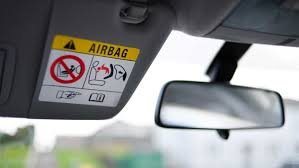
The National Highway Traffic Safety Administration (NHTSA) has issued a critical warning regarding millions of vehicles still containing recalled Takata airbags. The agency has gone so far as to issue a “Do Not Drive” warning for specific makes and models, emphasizing the severe safety risk these defective airbags pose.
The Takata Airbag Crisis: A Continuing Threat
The ongoing Takata airbag recall stems from a dangerous defect: long-term exposure to high heat and humidity can cause these airbags to explode upon deployment. This explosive rupture has tragically resulted in injuries and even fatalities. The NHTSA’s latest announcement highlights that the risk of rupture is significantly higher with these specific inflators compared to previously recalled Takata airbags.
“Test data on the defective Takata air bag inflators in these vehicles show a far higher risk of ruptures during air bag deployment than for other recalled Takata air bags,” the NHTSA stated in a recent press release. This underscores the urgency of addressing this issue.
Vehicles Under ‘Do Not Drive’ Warning
The following vehicles are currently under the “DO NOT DRIVE” warning. It is crucial to check if your vehicle is on this list:
- [Insert specific vehicle list here – link to NHTSA official list: https://www.nhtsa.gov/takata]
How to Check for Recalls
Concerned vehicle owners can easily check for outstanding recalls by using their Vehicle Identification Number (VIN). You can do this directly on the NHTSA website: https://www.nhtsa.gov/recalls. Simply enter your VIN to see if your vehicle is affected by any open recalls, including those related to the Takata airbags.
Free Repairs Available
If your vehicle is subject to a recall, repairs are available free of charge at authorized dealerships. Do not delay in scheduling an appointment to have the defective airbag replaced. Your safety, and the safety of your passengers, depends on it.
Staying Informed
The NHTSA is committed to keeping the public informed about this critical safety issue. For the latest updates and information, visit their website at https://www.nhtsa.gov/. Regularly checking for recall notices is a proactive step towards ensuring your vehicle’s safety.
Disclaimer: This article provides information based on publicly available data from the NHTSA. Always refer to official NHTSA communications for the most accurate and up-to-date details.