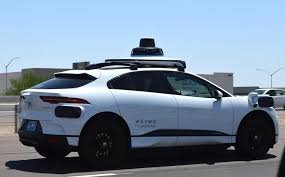
Waymo: Redefining the Future of Urban Mobility with Autonomous Robotaxis
Imagine stepping into a vehicle, entering your destination, and settling back into your seat while the steering wheel moves on its own. This isn’t a scene from a sci-fi movie; it is the current reality provided by Waymo. As a pioneer in the world of autonomous driving, Waymo is not just building cars—it is architecting the future of how we move through our cities.
What is Waymo?
Waymo, a subsidiary of Alphabet Inc., is the world’s most experienced autonomous driving company. Originally started as the Google Self-Driving Car Project, Waymo has evolved into a fully commercial operation, launching the Waymo One service—a ride-hailing app that connects users with fully driverless taxis.
Unlike traditional ride-sharing services, Waymo removes the human element from the driver’s seat, utilizing a sophisticated blend of hardware and software to navigate complex urban environments safely and efficiently.
The Magic Behind the Machine: How Waymo Works
The core of Waymo’s success lies in its “Driver,” an integrated system of sensors and artificial intelligence that perceives the world in 360 degrees. This system relies on three primary pillars:
- n
- LiDAR (Light Detection and Ranging): Laser pulses that create a detailed 3D map of the surroundings in real-time, allowing the car to “see” distance and shape with extreme precision.
- Advanced Cameras: High-resolution cameras that identify traffic lights, pedestrians, cyclists, and road signs.
- Radar: Essential for tracking the speed and movement of other vehicles, even in poor weather conditions like fog or heavy rain.
These inputs are processed by powerful AI algorithms that make split-second decisions, ensuring a smooth and safe ride that often exceeds human driving capabilities.
Where can you ride a Waymo?
Waymo has strategically expanded its footprint across the United States. Currently, you can experience the magic of robotaxis in cities such as:
- n
- Phoenix, Arizona: The birthplace of the first commercial robotaxi service.
- San Francisco, California: Navigating some of the steepest hills and busiest streets in the US.
- Los Angeles, California: Tackling some of the most complex traffic patterns in the world.
- Austin, Texas: Expanding the reach of autonomous mobility to the heart of Texas.
The Benefits of an Autonomous World
The transition to autonomous vehicles is more than just a convenience; it’s a shift toward a safer and more inclusive society. According to industry reports from sources like TechCrunch, the potential benefits include:
- Increased Safety: Removing human error—such as distracted driving or fatigue—can drastically reduce traffic accidents.
- Accessibility: Providing independent mobility for the elderly and people with disabilities who cannot drive.
- Urban Efficiency: Optimizing routes to reduce traffic congestion and lowering carbon emissions through electric vehicle fleets.
The Road Ahead: Challenges and Evolution
Despite the impressive progress, the path to global adoption isn’t without hurdles. Regulatory frameworks are still catching up with the technology, and public perception regarding the safety of “ghost cars” remains a talking point.
However, Waymo continues to iterate, training its AI on billions of miles of simulated and real-world driving. As the technology matures, the goal is clear: to create a world where transportation is a seamless, safe, and available service for everyone, everywhere.
Final Thoughts
Waymo is leading the charge into a new era of transportation. By combining cutting-edge AI with rigorous safety testing, they are proving that the driverless future is not only possible but is already here. Whether you are a tech enthusiast or a daily commuter, the rise of the robotaxi is set to change the fabric of urban life forever.