
The King of Fruits Under Pressure: How Climate Change is Impacting Durian Farming in Malaysia
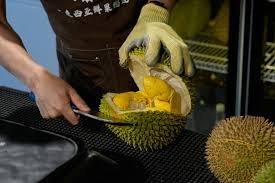
For those who love it, the durian is a creamy, custard-like delicacy; for others, its pungent aroma is overwhelming. In Malaysia, this “King of Fruits” is more than just a local favorite—it is a high-value export and a symbol of agricultural pride. However, beneath the spiky shell, a crisis is brewing.
Malaysian durian farmers, specifically those growing premium varieties like Musang King and Black Thorn, are finding themselves in a precarious position. A volatile cocktail of climate change, rising production costs, and fierce international competition is threatening their livelihoods.
The Environmental Toll: Erratic Weather and Lost Pollinators
Climate change, driven by global greenhouse gas emissions, is no longer a distant threat—it is a daily reality in the orchards of Karak and Perak. Farmers are reporting a devastating pattern of weather extremes that disrupt the delicate biological cycle of the durian tree.
- n
- Pollination Failure: Persistent rainfall during the flowering season has led to massive pollination failures, slashing annual yields.
- Extreme Heat: Temperatures soaring between 33 to 35 degrees Celsius have forced farmers to increase irrigation and fertilization just to keep the trees healthy.
- Vanishing Biodiversity: In some regions, fruit bats—the primary natural pollinators—have disappeared, potentially due to extreme heat or the increased use of pesticides required to fight new, climate-driven pests.
According to the Food and Agriculture Organization of the United Nations (FAO), the shift in global weather patterns is forcing farmers worldwide to scramble for adaptation strategies to avoid total crop failure.
The Economic Battle: “Durian Diplomacy” and Market Pressure
While the demand for Malaysian durians in China is booming—a phenomenon often called “durian diplomacy”—the profit margins are shrinking. Malaysia faces stiff competition from Thailand and Vietnam, who dominate the volume of exports to the Chinese market.
Adding to the stress are geopolitical instabilities. Conflict-related price hikes (such as those linked to the Iran war) have sent the cost of fuel and fertilizers skyrocketing. Combined with an oversupply caused by more orchards reaching maturity, the market price for Grade A Musang King durians has plummeted in recent years, leaving some farmers struggling just to break even.
Innovation as a Survival Strategy
Despite the gloom, some Malaysian growers are turning to AgTech to safeguard their future. Rather than relying solely on tradition, a new generation of farmers is integrating data-driven agriculture into their orchards.
One innovative approach involves the installation of smart sensors to monitor:
- Real-time rainfall and humidity levels.
- Soil moisture and wind speed.
- Pest activity through digital tracking.
By analyzing this data via cloud drives, farmers can intervene early—adjusting water reservoirs or applying targeted treatments—before the weather ruins the fruit’s quality. This shift from reactive to proactive farming is the only way to ensure that the golden flesh of the Musang King remains consistent despite the warming planet.
Conclusion: A Test of Resilience
The story of durian farming in Malaysia is a microcosm of the global agricultural struggle. As average temperatures continue to rise, the ability to blend traditional knowledge with modern technology will determine who survives. For the Malaysian farmer, the goal is simple: adapt or lose the crown of the King of Fruits.



