
Strategic Blow: Ukraine Targets Russian Energy Infrastructure
In a bold escalation of its long-range capabilities, Ukraine has launched a series of coordinated overnight strikes deep within Russian territory. The primary target? The energy sector. The most significant hit occurred at the Yaroslavl oil refinery, marking one of the most ambitious drone operations since the conflict began.
According to President Volodymyr Zelensky, these operations are not random. By targeting facilities like the Slavneft-Yanos and Bashneft-Novoil refineries, Ukraine aims to cripple the oil revenues that Moscow utilizes to finance its ongoing military campaign.
The Yaroslavl Oil Refinery Drone Strike: Impact and Scale
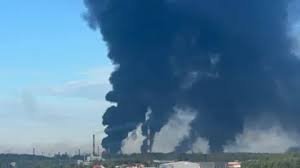
The governor of the Yaroslavl region, Mikhail Evraev, described the assault on the Slavneft-Yanos refinery as the “largest enemy drone attack” the area has faced. While Russian defense systems reportedly intercepted 93 drones, falling debris ignited massive fires in the refinery’s storage tanks.
Visual evidence verified by BBC Verify confirms huge smoke plumes rising from the facility, with at least four separate fires raging across the site. The attack left four people injured and sent shockwaves through Russia’s industrial heartland.
Key Targets and Distances
- Slavneft-Yanos (Yaroslavl): Located nearly 700km (435 miles) from the Ukrainian border.
- Bashneft-Novoil (Bashkortostan): A staggering 1,300km (808 miles) deep into Russian territory.
- Black Sea Fleet: Two military patrol boats and several “shadow fleet” tankers—used to bypass oil sanctions—were also targeted.
Russia’s Retaliation and the Human Cost
As Ukraine pushes its drones further east, Russia has responded with brutal intensity. In the north-eastern Kharkiv region, Russian drone strikes targeted residential areas and transport hubs. In the town of Balakliya and the Lozova train station, at least five civilians were killed, and several others were injured.
The Russian Ministry of Defense claimed to have intercepted 605 Ukrainian drones in a single night, asserting that their strikes targeted Ukrainian fuel, energy, and logistics hubs in Kyiv and surrounding regions. The tragedy highlights the vulnerability of Ukrainian cities currently lacking advanced Patriot missile systems to intercept incoming barrages.
The Strategic Shift: Why Energy?
With the front lines remaining largely static, both nations have shifted their focus toward attrition warfare. By striking refineries, Ukraine is attacking the economic engine of the Russian war machine. President Zelensky emphasized that these actions are intended to “strengthen the chances for diplomacy” by forcing Russia to consider the cost of continued aggression.
As the conflict enters a new phase of infrastructure warfare, the global community watches closely to see if these strategic strikes will lead to a breakthrough in mediation efforts or a further escalation of hostilities.



