A League in Turmoil: When Officiating Becomes the Story
In the high-stakes world of the WNBA, the focus should always be on the athletes’ incredible skill and the growth of the game. However, recently, the conversation has shifted from highlight-reel plays to a growing frustration with the officials. From shocking no-calls to inexplicable penalties, the league is facing a credibility crisis that has coaches and players reaching their breaking point.
The Kamilla Cardoso Paradox: 15 Shots, Zero Free Throws
The latest flashpoint occurred during the Chicago Sky’s battle against the Phoenix Mercury. Kamilla Cardoso, the 6-foot-7 powerhouse and No. 3 overall pick of the 2024 draft, put up an impressive stat line: 16 points, 13 rebounds, and five assists. But one number stood out for all the wrong reasons: zero.
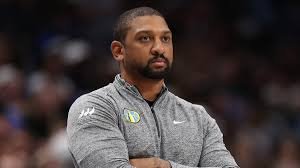
Despite taking 15 shots—the vast majority of which were contested inside the paint—Cardoso never once stepped to the free-throw line. This anomaly prompted Chicago Sky head coach Tyler Marsh to let loose in a post-game press conference, calling the situation a “f—ing joke.”
“How many more games does she need to go without getting a free throw? It makes no sense. Zero sense,” Marsh exclaimed, highlighting the disconnect between the physical contact Cardoso absorbs and the whistles that never blow.
A Pattern of Chaos: From Caitlin Clark to Sophie Cunningham
The frustration surrounding Kamilla Cardoso isn’t an isolated incident; it’s part of a larger, more disturbing trend. The WNBA has seen several high-profile officiating failures that have left fans and analysts bewildered:
- n
- The Caitlin Clark Incident: In a shocking scramble for a loose ball, Clark was hit in the throat by Alyssa Thomas. The officials missed the call entirely. While the WNBA later issued a one-game suspension for Thomas after a review, the fact that three officials missed a “non-basketball act” in real-time sparked outrage.
- The Sophie Cunningham Blunder: In another baffling sequence, Cunningham took a vicious elbow to the face from Nia Coffey. Instead of the aggressor being penalized, the referees called the foul on Cunningham.
When the league’s biggest stars, like Caitlin Clark, and dominant forces like Kamilla Cardoso are subjected to inconsistent officiating, it doesn’t just affect the game’s outcome—it affects the perceived integrity of the sport.
The WNBA’s Solution: A Replay Center in 2027?
WNBA Commissioner Cathy Engelbert has acknowledged the issue, admitting that the league “always” needs to improve. The proposed solution? A multi-million dollar, fully centralized replay center scheduled to launch in 2027.
While a replay center promises more consistency and transparency, many argue that it is a long-term fix for a short-term emergency. Furthermore, the league has yet to adopt a system similar to the NBA’s Last Two Minute (L2M) reports, which publicly hold officials accountable for correct and incorrect calls in crunch time.
Final Thoughts: Is Technology Enough?
A centralized replay center may help in 2027, but it doesn’t help a player getting hit in the throat today or a center like Kamilla Cardoso fighting for position in the paint without any protection from the refs. Until the WNBA prioritizes real-time accountability and consistent rule application, the “joke” will continue to be on the players and the fans.