
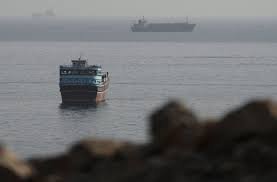
The Omani Bridge: Navigating the High-Stakes Diplomacy of the Strait of Hormuz
In the volatile landscape of Middle Eastern geopolitics, the Strait of Hormuz remains one of the most critical chokepoints in the world. As tensions fluctuate between Washington and Tehran, one nation stands as the indispensable mediator: Oman. Current negotiations to secure the waterway are a complex dance of diplomacy, threats, and economic desperation.
Oman: The Sole Conduit for Dialogue
While U.S. President Donald Trump has expressed optimism that a deal could be reached imminently, the reality on the ground is far more nuanced. Iran has remained steadfast in its position, stating that it is communicating solely with Oman to establish a temporary arrangement for the vital waterway.
This reliance on Oman highlights the Sultanate’s unique role as a neutral ground in a region defined by rivalry. However, the path to a permanent agreement is hindered by internal Iranian politics—specifically the influence of the hardline Islamic Revolutionary Guard Corps (IRGC), whose approval is essential for any lasting deal.
A Clash of Visions: Dominance vs. International Law
The core of the conflict lies in how the waterway should be governed. The two sides are operating on completely different frequencies:
- Iran’s Ambition: Tehran seeks a “middle corridor” where Iran retains a dominant role in security, de-mining, and maritime services. They view this as a legitimate exercise of their rights over their territorial waters.
- The Western Stance: The U.S., Saudi Arabia, and the UAE view any state control over international waters as a violation of international maritime law. U.S. Secretary of State Marco Rubio has warned that allowing a single nation to control the strait would set a dangerous global precedent.
The Economic Clock is Ticking
Beyond the political posturing, the global economy is feeling the pressure. The global oil market is currently facing a precarious situation with draining crude reserves. The numbers are staggering: approximately 15 million barrels of crude oil fail to reach world markets every single day that an agreement remains elusive.
Amin Nasser, CEO of Saudi Aramco, has pointed out that even if the Strait of Hormuz were fully opened today, it could take up to 18 months to replenish depleted inventories. This makes the Omani-led negotiations not just a matter of regional peace, but a necessity for global economic stability.
Conclusion: A Fragile Balance
Whether the optimistic predictions of the U.S. administration come to fruition or the hardline demands of the IRGC prevail, Oman remains the pivot point. The world watches closely, knowing that the stability of energy prices and the freedom of international navigation hang in the balance of these secretive talks.



