
Who is Stewart Rhodes? Understanding the Oath Keepers Controversy
In recent years, few names have sparked as much political debate and legal scrutiny as Stewart Rhodes. As the founder and leader of the Oath Keepers, a far-right militia group, Rhodes became a central figure in one of the most significant legal battles in modern American history regarding national security and democratic stability.
The Rise of the Oath Keepers
Stewart Rhodes founded the Oath Keepers with the initial premise of recruiting current and former military, police, and first responders who would “keep an oath” to defend the U.S. Constitution. However, over time, the group evolved into a highly organized militia movement, often clashing with federal authorities and promoting theories about government overreach.
The group’s activities shifted from theoretical preparedness to active participation in political protests, eventually leading them into the spotlight of the 2020 U.S. Presidential Election aftermath.
The January 6th Capitol Attack and Legal Fallout
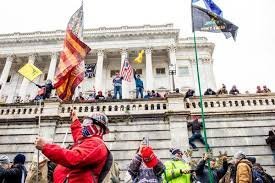
The defining moment for Stewart Rhodes came on January 6, 2021. Rhodes was accused of orchestrating a coordinated effort to obstruct the certification of the electoral college votes. The U.S. Department of Justice alleged that he and other members of the Oath Keepers planned to use force to prevent the peaceful transfer of power.
Following an extensive investigation, Rhodes was charged with seditious conspiracy—a rare and severe charge that involves conspiring to overthrow the government or prevent the execution of U.S. law by force.
Key Legal Milestones in the Case:
- n
- Arrest and Indictment: Rhodes was detained as federal prosecutors built a case based on encrypted messages and witness testimony.
- The Trial: The trial revealed the strategic planning used by the Oath Keepers to enter Washington D.C.
- The Verdict: Stewart Rhodes was convicted of seditious conspiracy and other charges, resulting in a significant prison sentence.
Why the Stewart Rhodes Case Matters
The conviction of Stewart Rhodes serves as a critical legal precedent. It underscores the boundary between political activism and criminal conspiracy against the state. For legal scholars and the general public, the case highlights the challenges of monitoring encrypted communications and the complexities of prosecuting domestic extremism.
For more detailed information on federal prosecutions and the legal framework of seditious conspiracy, you can visit the official U.S. Department of Justice website.
Conclusion
The trajectory of Stewart Rhodes, from a militia organizer to a convicted felon, reflects a turbulent era in American politics. His story is not just one of individual legal failure, but a cautionary tale about the dangers of political polarization and the resilience of the judicial system in upholding the rule of law.



