
The Great Winter Uncertainty: Decoding the El Niño Snow Forecast
As we approach the winter season, the buzz around the el niño snow forecast is reaching a fever pitch. For Californians, particularly those in the south, a “super El Niño” is not just a meteorological curiosity—it is a potential catalyst for either life-saving precipitation or catastrophic destruction. But what exactly does this mean for the Golden State?
El Niño occurs when sea surface temperatures in the central and eastern tropical Pacific Ocean rise, weakening the trade winds that normally blow toward Asia. When these waters warm significantly—as they have now, reaching levels that scientists classify as a “very strong El Niño”—the atmosphere shifts, often steering powerful storms toward the West Coast.
Snowpack vs. Storm Surges: The Forecast Dilemma
Historically, strong El Niño cycles have been a blessing for the Sierra Nevada snowpack, providing the critical water reserves California relies on during dry summers. In the 1982-83 and 1997-98 cycles, San Diego saw nearly double its usual rainfall, and the mountains were blanketed in heavy snow.
However, predictability is becoming a challenge. The correlation between ocean temperatures and rainfall has weakened in recent decades. As noted by experts at the Scripps Institution of Oceanography, the real game-changers are atmospheric rivers—long, narrow corridors of concentrated moisture in the sky. These “rivers” don’t always follow the El Niño script, meaning the region could face either torrential floods or unexpected dryness.
San Diego on the Edge: Infrastructure at Risk
While the mountain regions worry about snow levels, San Diego is bracing for a different kind of impact. The city’s geography—defined by steep canyons and floodplains—makes it naturally susceptible to inundation. The problem is compounded by aging infrastructure:
- n
- Aging Stormwater Systems: Many channels are outdated, leading to tragedies like the January 2024 floods in Shelltown, which damaged over 1,000 homes.
- Century-Old Dams: Some of the oldest dams in the U.S. are located here. Lake Hodges, for instance, has been rated as “unsatisfactory” with a high downstream hazard potential.
- The Financial Gap: While the city has invested millions, an estimated $3.3 billion in upgrades are still needed to fully secure the region against extreme weather.
Beyond the Rain: Coastal Chaos and Pollution
The impact of a super El Niño isn’t limited to inland flooding. Coastal residents should prepare for “monster waves”. The combination of rising sea levels, atmospheric low pressure, and “king tides” can lead to severe coastal erosion and the destruction of piers and beachfront properties.
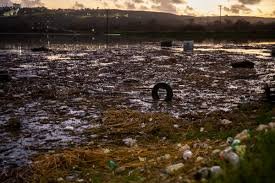
Furthermore, heavy rainfall exacerbates pollution. In South San Diego and Imperial Beach, the National Oceanic and Atmospheric Administration (NOAA) often monitors the hazardous conditions caused by the Tijuana River, where stormwater overwhelms sewage plants, dumping untreated waste into the ocean.
Final Thoughts: Preparation is Key
Whether the el niño snow forecast results in a record-breaking winter wonderland in the Sierras or a series of raging floods in the south, one thing is clear: the era of predictable weather is over. From clearing storm drains to upgrading century-old dams, the race is on to protect California’s residents from the volatile whims of the Pacific Ocean.



