
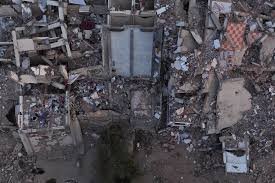
Understanding Earthquakes: Why Preparation is Key
While many people believe that certain regions are completely immune to seismic activity, the reality is that earthquakes can happen anywhere. Whether you live in a high-risk zone or a stable area, being informed and prepared can make a life-saving difference when the ground begins to shake.
An earthquake is the sudden shaking of the ground caused by the movement of tectonic plates. While we cannot predict exactly when they will occur, we can control how we respond to them. By implementing a strategic safety plan, you can significantly reduce the risk of injury and property damage.
Before the Shaking Starts: How to Prepare Your Home
Preparation is the most effective tool in disaster management. Taking a few hours to secure your environment today can prevent catastrophes tomorrow.
- Secure Heavy Furniture: Bolt bookshelves, wardrobes, and cabinets to the walls using L-brackets.
- Identify Safe Spots: Locate sturdy tables or interior walls in every room of your house where you can take cover.
- Build an Emergency Kit: Your kit should include at least 72 hours of supplies, including non-perishable food, water (4 litres per person per day), a flashlight, extra batteries, a first-aid kit, and essential medications.
- Create a Communication Plan: Establish a designated meeting point for your family and ensure everyone knows how to contact each other if cellular networks are congested.
During an Earthquake: The “Drop, Cover, and Hold On” Method
When the shaking begins, your immediate reaction is critical. Experts from global safety organizations recommend the Drop, Cover, and Hold On technique:
- DROP down onto your hands and knees. This position protects you from being knocked over and allows you to stay low.
- COVER your head and neck with your arms. If a sturdy table or desk is nearby, crawl underneath it for shelter.
- HOLD ON to your shelter until the shaking stops. Be prepared to move with your shelter if it shifts.
Note: Avoid running outside during the shaking, as falling debris from building exteriors is a primary cause of injury.
After the Quake: Ensuring Continued Safety
The danger doesn’t end when the shaking stops. Aftershocks can occur minutes, hours, or even days later, potentially collapsing already weakened structures.
Follow these steps immediately after the event:
- Check for Injuries: Provide first aid to yourself and others if it is safe to do so.
- Inspect Utilities: Check for gas leaks. If you smell gas, shut off the main valve immediately and leave the premises.
- Stay Informed: Listen to local news or official government alerts for evacuation orders or safety updates.
- Avoid Elevators: Always use the stairs, as power outages can trap you in an elevator.
Reliable Resources for Further Learning
For more detailed information on seismic activity and official safety guidelines, we recommend visiting these high-authority sources:
- Natural Resources Canada (Earthquakes Canada) – The primary source for seismic monitoring in Canada.
- Canadian Red Cross – Expert guidance on emergency preparedness and disaster response.
Staying proactive is the best way to handle the unpredictability of nature. Start your preparation today and ensure your home is a safe haven for your family.



