The Shifting Sands of Professional Golf: Is LIV Golf Fading?
When LIV Golf first teed off in 2022, it didn’t just enter the professional golf scene; it detonated a bomb under the status quo. Backed by the immense wealth of Saudi Arabia’s Public Investment Fund (PIF), the league lured top-tier talent away from the PGA Tour with historic paydays that redefined the economics of the sport.
However, less than five years into this bold experiment, the narrative is shifting. Rumours are swirling that the league could be nearing its end. While LIV Golf CEO Scott O’Neil has hinted at new investment to keep the league afloat through the 2027 season, the financial landscape is changing. The Saudi sovereign wealth fund, which has reportedly poured over $5 billion into the venture, is reportedly planning a strategic shift, potentially pulling its primary funding after the 2026 season.
The Great Limbo: What Happens to the Defectors?
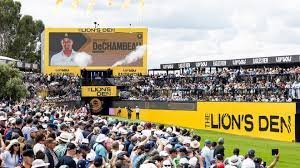
This financial pivot leaves some of the world’s biggest names—including Bryson DeChambeau and Jon Rahm—in a state of professional uncertainty. The big question now is: Will every LIV golfer eventually return to the PGA Tour?
The return process is far from a simple handshake. It involves complex negotiations, disciplinary hurdles, and significant financial sacrifices. The PGA Tour has established specific pathways for reinstatement, but the terms vary wildly depending on the player’s history and how they departed.
The Pathways to Reinstatement
According to Brian Rolapp, the new CEO of the PGA Tour, the organization is open to welcoming back defectors if it strengthens the overall product. However, the process is divided into several distinct routes:
- The Returning Member Program: Designed for major winners who have been away for at least two years. This was the primary vehicle for high-profile returns in early 2025.
- Past Champion Category: A route used by players who have previous PGA Tour wins to regain eligibility.
- The Korn Ferry Tour: The traditional “grind,” where players must compete and finish in the top 20 to earn their card back.
- Sponsor Exemptions: A discretionary path that allows certain players into specific tournament fields.
Case Studies: Brooks Koepka vs. Patrick Reed
The different trajectories of Brooks Koepka and Patrick Reed provide a fascinating glimpse into the cost of returning to the fold.
Brooks Koepka’s Costly Comeback
Koepka took a decisive step by agreeing to forgo the final year of his LIV contract. While he is permitted to play through the Returning Member Program, the financial penalties are steep:
- Equity Loss: He is ineligible for the player equity program through 2030, potentially costing him between $50 million and $85 million.
- Charitable Contribution: He agreed to a $5 million donation to a designated organization.
- Bonus Restrictions: No payments from the FedEx Cup bonus program for the 2026 season.
Patrick Reed’s Strategic Exit
Patrick Reed is taking a different approach, seeking reinstatement for the 2027 season under the past champion category. Having seen his LIV contract expire after 2025, Reed is navigating the rules as a non-member, using the DP World Tour to improve his standing and eligibility.
The Bottom Line for Professional Golf
The saga of LIV Golf serves as a cautionary tale of disruption in sports. While the league succeeded in forcing the PGA Tour to evolve its business model and player equity, the sustainability of a league funded solely by sovereign wealth remains questionable.
As we head toward 2026 and 2027, the golf world awaits a reunification. Whether it happens through peaceful agreements or litigious battles, the goal remains the same: seeing the best players in the world competing on the same leaderboard once again.