The Uncertain Future of Tyler Stephenson in Cincinnati
In the high-stakes world of MLB trades, not every name creates a frenzy, but the situation surrounding Tyler Stephenson is one that Cincinnati Reds fans cannot afford to ignore. While he might not be the most talked-about name on the trade block, the reality is stark: Stephenson could be playing his final weekends in the Queen City.
With his current rental status and the absence of a long-term extension, it is becoming increasingly clear that 2026 will likely be the end of the road for Stephenson and the Reds. But this leaves the organization facing a daunting question: Who will hold down the fort behind the plate?
The Depth Chart Dilemma: A Looming Shortage
If Stephenson departs, the Reds find themselves in a precarious position. Looking at the current roster, the options are limited:
- Jose Trevino: While experienced, Trevino is well beyond his peak years as a full-time starter. He can provide stability for a few months, but he isn’t a long-term solution.
- Will Banfield & P.J. Higgins: Both players currently look more like career third-stringers than future franchise cornerstones.
- Alfredo Duno: The bright spot. Duno is regarded as one of the elite catching prospects in baseball. However, with limited Double-A experience, a realistic call-up isn’t expected until late 2027 or even Opening Day 2028.
The gap between the present and Duno’s arrival is a void that must be filled to keep the Cincinnati Reds competitive.
The Cardinals Connection: A Tempting but Risky Trade
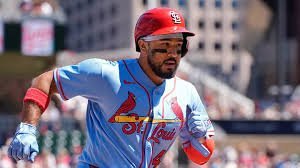
When looking for a replacement, the St. Louis Cardinals emerge as a logical, albeit dangerous, target. The “Redbirds” possess one of the most impressive catching pipelines in the league, boasting depth with players like Iván Herrera, Pedro Pagés, and Jimmy Crooks.
On the surface, a trade makes perfect sense. The Cardinals have a surplus, and the Reds have a desperate need. However, the logistics reveal a steep price tag. Most of the Cardinals’ catchers are under team control through 2029, making them premium assets in the MLB trade market.
Why a Blockbuster Move Might Be Too Much
Trading with a division rival is always a gamble. To acquire a controllable asset like Herrera, the Reds would likely have to surrender a top-tier prospect or a young pitching arm. History shows that “controllable catching” commands a premium—similar to the high price the San Diego Padres paid for Freddy Fermin last year.
Giving away a future star to a direct competitor is rarely a winning strategy. While the front office must explore every avenue to replace Tyler Stephenson, a massive deal with St. Louis might be a move born of desperation rather than strategic growth.
Final Thoughts
The Cincinnati Reds are at a crossroads. Whether they find a savvy mid-season acquisition or weather the storm until Alfredo Duno is ready, the departure of Tyler Stephenson will leave a hole that is difficult to fill. For now, the team must balance the need for immediate stability with the long-term health of their prospect pool.