Understanding the Bourbon Virus: A New Challenge in Tick-Borne Illnesses
For those who love spending time in the great outdoors, whether hiking through the lush forests of Ontario or exploring the wild landscapes of British Columbia, staying aware of environmental health risks is crucial. Recently, the Bourbon virus has emerged as a topic of concern for health professionals and nature enthusiasts alike.
But what exactly is the Bourbon virus, and should you be worried? In this guide, we dive deep into the symptoms, risks, and the best ways to protect yourself and your family.
What is the Bourbon Virus?
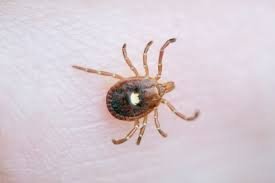
The Bourbon virus is a relatively recently discovered tick-borne virus. While it is less common than Lyme disease, it belongs to a group of viruses that can cause significant flu-like illness in humans. It is transmitted to people through the bite of an infected tick, typically after the tick has fed on an infected animal host.
Because it shares similarities with other tick-borne pathogens, it often goes under the radar, making early detection and awareness vital for proper treatment.
Common Symptoms to Watch For
Recognizing the signs of the Bourbon virus early can lead to faster recovery. The symptoms often appear suddenly and can mimic a severe case of the flu. Keep an eye out for:
- High Fever: A sudden spike in body temperature is one of the most common indicators.
- Extreme Fatigue: Feeling unusually exhausted or lethargic.
- Muscle and Joint Pain: General aches that can make movement uncomfortable.
- Gastrointestinal Issues: Some patients report nausea or digestive discomfort.
- Headaches: Persistent and severe headaches often accompany the fever.
If you develop these symptoms after spending time in wooded or grassy areas, it is essential to consult a healthcare provider immediately.
How to Prevent Tick-Borne Infections
While the Bourbon virus may be rare, the prevention methods are the same as those for all tick-borne diseases. Taking a few simple precautions can significantly reduce your risk:
1. Dress Strategically
When hiking or gardening, wear long-sleeved shirts and long pants. Tucking your pants into your socks creates a physical barrier that makes it harder for ticks to reach your skin.
2. Use Repellents
Apply EPA-registered insect repellents containing DEET or Picaridin to exposed skin. For clothing, treating gear with permethrin is highly effective in repelling ticks.
3. Perform Tick Checks
After every outdoor excursion, perform a thorough tick check on yourself, your children, and your pets. Pay close attention to warm, hidden areas such as the armpits, behind the knees, and the scalp.
4. Shower Shortly After Outdoors
Showering within two hours of coming indoors can help wash off unattached ticks and remove any remaining repellent.
When to Seek Medical Help
If you find a tick attached to your skin, remove it carefully using fine-tipped tweezers. If you begin to feel unwell or notice a rash, seek medical attention. For more detailed information on tick-borne pathogens, you can visit the Centers for Disease Control and Prevention (CDC), which provides authoritative guidelines on managing these risks.
Final Thoughts
The emergence of the Bourbon virus serves as a reminder that nature is ever-changing and that vigilance is key. By following simple prevention steps and staying informed, you can continue to enjoy the beauty of the Canadian wilderness without compromising your health.
Stay safe, stay informed, and keep exploring!