
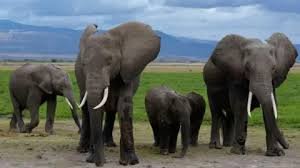
Tragedy in Kenya: 15 Elephants Die Due to Suspected Pesticide Poisoning Near Amboseli National Park
A devastating discovery has shaken the wildlife community in southern Kenya. Fifteen elephants have been found dead on the outskirts of the renowned Amboseli National Park, sparking urgent concerns regarding the safety of these majestic creatures in an increasingly fragmented landscape.
The Cause: A Toxic Encounter
According to the Kenya Wildlife Service (KWS), preliminary laboratory tests have revealed the presence of cyanide in the carcasses of the animals. The leading theory is that the elephants consumed tomatoes from nearby farms that had been heavily sprayed with toxic pesticides.
The symptoms reported were harrowing. Ten of the elephants exhibited signs of paralysis before succumbing to the poison within two days, while five others were discovered already dead. While investigations are still ongoing, officials have ruled out foul play, pointing instead to an accidental but lethal encounter with agricultural chemicals.
A Growing Conflict Between Farming and Wildlife
This incident highlights a critical and growing issue: the expansion of farming activities adjacent to protected wildlife areas. The Amboseli ecosystem, which straddles the border with Tanzania, is a vital sanctuary for biodiversity. However, as human settlements and farms grow, elephants often stray into agricultural lands in search of food and water.
Key facts about the incident:
- n
- Timeline: The deaths occurred over a one-month period between June 24 and July 24, 2026.
- Demographics: The victims included elephants of various ages and sexes, indicating that the poisoning affected multiple groups rather than a single family.
- Population: As of 2025, the Amboseli Trust for Elephants estimated that more than 2,000 elephants inhabit the ecosystem.
A Rare and Alarming Occurrence
Wildlife officials emphasized that this is the first time in decades that elephant mortalities on this scale have been recorded in the region. This is particularly shocking given that Kenya has successfully cracked down on poaching in recent years. It suggests that while illegal hunting is decreasing, environmental hazards and human-wildlife conflict are becoming the new primary threats.
To calm public fears, authorities have clarified that the toxic substances involved pose no immediate risk to humans, though the ecological impact remains severe.
Looking Forward: Protecting the Giants
The loss of these fifteen elephants serves as a wake-up call for more sustainable farming practices and better boundary management between agricultural zones and national parks. Protecting the natural heritage of Kenya requires a balanced approach where both farmers and wildlife can coexist safely.



